The Battery Built for Traffic Lights, Now Powering AI Data Centers.
with Tim Hysell
Co-founder of ZincFive
Hosted by
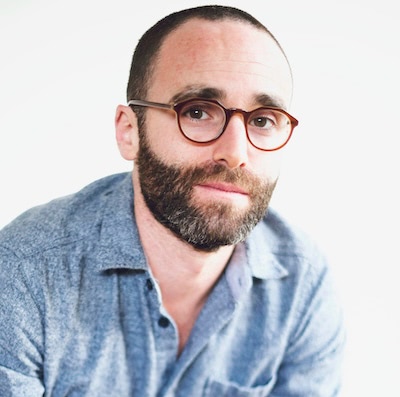
CEO, Unreasonable Group
About This Episode
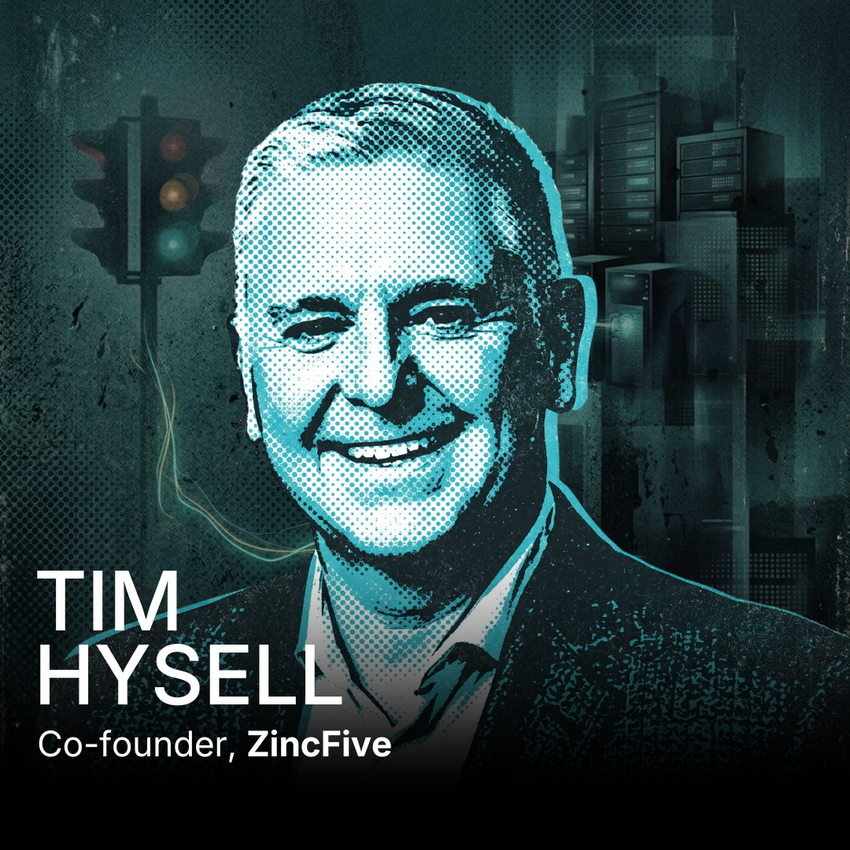
Featured Guest
Tim Hysell
Co-founder of ZincFiveTim Hysell is the co-founder of ZincFive, the world's leading nickel-zinc battery company. Founded in 2012, ZincFive has deployed or contracted nearly 2 gigawatts of battery capacity for data centers globally, with a new product line engineered specifically for AI workloads. The company has raised close to $300 million. Tim joined the Unreasonable Fellowship through the Unreasonable Impact program in 2018, run in partnership with Barclays.
Key Takeaways
ZincFive's nickel-zinc batteries cannot be forced into fire, thermal runaway, or explosion. UL9540A is the test designed specifically to break them. The chemistry simply refused. They are also over 90% recyclable through a smelter-free chemical process.
ZincFive has deployed or contracted nearly 2 gigawatts of battery cabinets for data centers globally. Revenue of $30 million in 2024 is doubling in 2025, and the company's first AI-specific battery cabinet launched in Q4.
The chemistry was first commercialized in 2012 as a battery backup for traffic lights. Tim and his co-founder drove the first product themselves from Portland to Sacramento, petrified it would get lost in shipping.
Tim joined the Unreasonable Fellowship through the Unreasonable Impact program in 2018, run in partnership with Barclays. When Stephen Birkenfeld retired from Barclays after leading that work, Tim invited him onto ZincFive's board, where he sits today.
AI's GPU clusters demand power in 50-millisecond bursts that exceed grid capacity by 20 to 50 percent. Lithium cannot deliver this alone, it must be combined with super-capacitors. Nickel-zinc does it on its own.
Tim's wife and both sons work at ZincFive. The boys report several managers below him on marketing, are treated like every other employee, and were told from day one: don't let the name on the back of the jersey be an advantage.
Chapters
Full Transcript
Daniel Epstein (0:00)
With the rapid adoption of artificial intelligence, the need to build infrastructure with data centers around the world to power the speed at which we're seeing AI move. There are a couple solutions out there in the world that can help ensure we do this in a much more sustainable manner. Today, we're going to meet one of the entrepreneurs who is wielding one of those solutions. His name is Tim Hysell. He's been an Unreasonable Fellow since he joined us in an Unreasonable Impact Program in 2018. So we've been supporting Tim and his team at ZincFive now for nearly a decade. You know, the company that they have is remarkable. They've deployed the world's first nickel-zinc rechargeable battery technology. It's uniquely fit for data centers and for AI infrastructure. It does not use any precious metals. It's 90% recyclable. It's rechargeable. Their aim is to ensure that nickel-zinc becomes the fifth rechargeable battery to scale across the world. Before this, Tim's had a star studded journey as a founder. He started companies in renewable energy and banking and manufacturing and medical devices. He's a true serial entrepreneur and investor and mentor and board member. He's worked with some of the world's largest companies and he's helping disrupt them in a way that is collaborative, that is relational, that is rooted in trust but that takes us into a more sustainable future. Today's conversation, we're not just going to talk about the technology and its applications to the current moment in time with this AI boom, but we're also going to get to know Tim. I'm going to get to know Tim a little bit better, understand what ingredients have led him to not just the level of success that he has and is experiencing but also I would say his ability to be grounded in joy throughout that journey. So without further ado, I hope you enjoy this conversation as much as I know I will. Tim, I'm deeply grateful that you've made the time for this conversation. It's been too long and I am very keen and excited to dig in with you.
Tim Hysell (2:09)
Absolutely. I can't wait to do the same with you. It's been a while.
Daniel Epstein (2:12)
It's been a long while. We just looked it up. You joined us first in Unreasonable 2018, so we're nearing a decade on this journey and of course ZincFive goes far before that. I just wanted to say grateful to be on the journey with you. Maybe Tim, it'd be good to start with just the very basics, which is why ZincFive? And what ZincFive is as a business.
Tim Hysell (2:41)
Yeah. Wow. You know, first of all, for those that might not know is we're a battery technology company. So, the type of chemistry that we have in our day-to-day products is a chemistry called nickel-zinc. So the reason I start there, Daniel, is because when we first discovered nickel-zinc, we were looking to solve a problem. We didn't own the chemistry at the time, but we were looking to solve a problem. And the problem was, we were engaged in the business of stoplights, providing all the electronics and
Daniel Epstein (3:14)
Thanks for doing that.
Tim Hysell (3:15)
Yeah, yeah, yeah, right? Because it's a problem. Here lies the problem, Daniel, is when utility power goes out, those stoplights, they go black. They don't flash red like a lot of people think. So there's unfortunate casualties on a daily basis for intersections that don't have battery backup. So we decided to come at that industry with a revolutionary nickel-zinc technology. Why? Because it was so much better than what was used currently, which was lead acid batteries. So long story short, we did that and we commercialized that first product in 2012. I remember driving, personally driving that first product. It was like a diamond. I remember driving it along with my co-founder to Sacramento, California, from Portland, Oregon. And we were petrified that it would get lost in shipping or something.
Daniel Epstein (4:08)
How big was this diamond?
Tim Hysell (4:12)
Actually quite small. It looks almost like a solar panel. About three-feet long. And then there's a controller, that is called an inverter, and that's really it. So it fit in the trunk. It wasn't like, you know, we needed to pull a trailer behind us, which is part of the advantages of the nickel-zinc solution. Its footprint is quite small. Anyway, long story short is we did that in 2012 and all of a sudden we realized what we had created had just huge implications in the data center industry.
Daniel Epstein (4:45)
Massive applications.
Tim Hysell (4:47)
Massive. And the reason is, what was at that time little known about nickel-zinc chemistry is it's incredibly good at short duration, not long duration applications. Right?
Daniel Epstein (4:58)
That's right.
Tim Hysell (4:59)
So when you think about industries that need long duration, it's like your EV, electric vehicle. You want those things to go hundreds and hundreds of miles or kilometers. Well, that's not ZincFive and nickel-zinc. We are like the sprinter. We're not the marathon runner. So think of use cases that need that. Well, in data centers, guess what? They need battery backup when power goes out for three to five minutes, not hours, because they're just giving the generators time to fire up. So anyway, that's where this kind of began, and that's where we are today. But now look what's happened. Artificial intelligence. Right? What's the problem with artificial intelligence? A lot of things, but there's a lot of good things, but the problem is the scalability of artificial intelligence. And guess what the limiting factor is? Power. They need the power when its computing exceeds the grid capacity by 20 to 50%. But guess what Daniel, it happens in milliseconds. Guess what we're exceptional at.
Daniel Epstein (6:02)
Yeah. Milliseconds power.
Tim Hysell (6:04)
So anyway, long story, where it began and where we are. You didn't quite ask that question, but it just gets exciting to talk about not only where we come from, but where we are today.
Daniel Epstein (6:14)
Can you explain a little bit just for my benefit as well, just nickel-zinc
Tim Hysell (6:20)
Yes.
Daniel Epstein (6:20)
versus lithium ion versus the other, you know, rechargeable battery solutions that are out there? And what are the benefits? And why is, you know, you said it's better at that sprint
Tim Hysell (6:29)
Yes.
Daniel Epstein (6:30)
than the marathon, but maybe explain a little bit how that works.
Tim Hysell (6:32)
So lithium is exceptional at the marathon, right? And the marathon being, you know, call it two to six hours or in cases of EVs, you know, hundreds of miles. When you try to put lithium into the data center space to do three to five minutes or, you know, artificial intelligence milliseconds, they have to oversize everything compared to ZincFive. Why? It's to compete with the discharge rates. They don't discharge that fast.
Daniel Epstein (6:59)
That's the thing that matters
Tim Hysell (7:00)
Yeah.
Daniel Epstein (7:00)
in a data center.
Tim Hysell (7:01)
And so not only are we smaller, but then there's other facets that matter to the data centers. Guess what? Safety. Our batteries have no risk of fire, thermal runaway, or explosion.
Daniel Epstein (7:13)
Zero risk.
Tim Hysell (7:13)
Zero.
Daniel Epstein (7:15)
Oh, that's incredible.
Tim Hysell (7:16)
The batteries have been tested by UL, a test called UL9540A. And their sole purpose, Daniel, is to see if they can force the batteries into fire, thermal runaway or explosion. Guess what? They couldn't do that with our nickel-zinc batteries. So, you couple the footprint with the safety, and then guess what? We have an amazing sustainability story, which was part of the reason back in 2018 we connected, because the sustainability side of our story. Well, our batteries are over 90% recyclable.
Daniel Epstein (7:50)
90%. That's incredible.
Tim Hysell (7:51)
That's huge. So anyway, those three cornerstones, if you will, are what's so different about nickel-zinc and ZincFive compared to lithium and compared to, say, lead acid, which has been used historically in data centers. It's becoming harder now because they really don't have power density like we do.
Daniel Epstein (8:10)
And in terms of nickel-zinc and these conversations around precious metals
Tim Hysell (8:15)
Yes.
Daniel Epstein (8:15)
How does that compare to lithium ion?
Tim Hysell (8:19)
Yeah. So another good example is that, you know, our three major constituents in our batteries is something that's quite simple. It's nickel or byproducts of nickel. It's copper and it's zinc. That's how simple it is. And that's also what makes it so safe. Right? There isn't anything volatile in the chemistry like that. So yeah, readily available resources.
Daniel Epstein (8:42)
Okay. And now, and I'm curious, where are you in the journey of a company? Because I imagine this has exploded in the last few years with the advent of AI.
Tim Hysell (8:53)
It really has. You know, the world is still trying. Even the largest players in the data center industry, what's called hyperscalers, and you know, the likes of, you know, Amazon, Google, Microsoft. You can name them all. They're all trying to figure out how to solve this AI problem with power. Right? It's really in real time right now. So back to where are we? We've now deployed nearly 2 gigawatts of our battery backup cabinets and or have under contract of our battery backup cabinets for data centers globally. That's a big number, right?
Daniel Epstein (9:28)
Yeah. Put that number in perspective for someone who doesn't understand gigawatts.
Tim Hysell (9:32)
Yeah. So gigawatts, a lot of people talk about a megawatt, right? Well, think of that times multiples of significantly more. Okay? A gigawatt. So what that means to you is a lot of times when you hear people talk about standing up a lithium factory, they talk about it being a gigawatt factory. Single gigawatt. Single gigawatt. Well, we've deployed 2 gigawatts and or have under contract. And that's just where we are today. So when you look at where we are today, you know, we did roughly, I'll call it 30 million in revenue in 2024. We're going to double that in 25. And our backlog of orders to deliver in 2026 is already an impressive number. Right? Guess what, Daniel? That has nothing to do with AI yet.
Daniel Epstein (10:22)
Yeah, yeah, you're totally right.
Tim Hysell (10:25)
That's our battery backup. So we launched our first product. This is public information. We launched our first product in Q4 that guess what is a battery backup cabinet that can also handle the AI pulsing. There's no other, we believe there's no other chemistry in the world that can do that. Why? Because backed to that power density, you also have to have something that couples it called energy density. I won't bore you with that today, but it just means that you have to have both. And our nickel-zinc chemistry just happens to be, you know, we were at chemistry level when it was waiting for a problem, right?
Daniel Epstein (11:03)
Yes.
Tim Hysell (11:03)
And all of a sudden the problem shows up with AI that's even bigger than backing up data centers. So yeah, it's wild.
Daniel Epstein (11:12)
I know this might be getting technical, but I want to understand it. When you talk about AI data centers needing, you know, significant discharges of energy in milliseconds.
Tim Hysell (11:26)
Yes.
Daniel Epstein (11:26)
Why is that? And what is the dynamic there that needs that?
Tim Hysell (11:30)
So traditional data centers operate off chips called CPUs, right?
Daniel Epstein (11:35)
Yep.
Tim Hysell (11:35)
And so they basically just kind of run at this constant power need. Right? Well, when you start to incorporate GPUs, which are the chips for AI, what happens is they operate in clusters. Right? And so all of these GPU chips basically sync up when, if you were to say, what's the temperature going to be like in Colorado today? Right? Just something simple like that. Well, that's GPUs in a cluster coming together and giving your answer in these 50 millisecond bursts of power.
Daniel Epstein (12:10)
Got it.
Tim Hysell (12:12)
Right? And we're just at the beginning of AI. I mean, we haven't even got to the big stuff, which is coming. If you look at the power needed with the futures of the GPU chips, it's not this, you know, flatline. It is a huge spike up.
Daniel Epstein (12:27)
It's truly exponential.
Tim Hysell (12:29)
It's only going to get more challenging. Right?
Daniel Epstein (12:31)
Yeah.
Tim Hysell (12:32)
But that's how GPUs work differently than a regular data center, which is why we're so excited about our technology, because we can even help an existing data center that has, you know, just traditional power. And all of a sudden they have customers coming in that are AI customers. Right? Because that's how some data centers work. And we could help solve that without building out an entire new infrastructure.
Daniel Epstein (12:57)
That's a big deal.
Tim Hysell (12:58)
It's a big deal.
Daniel Epstein (13:00)
And how big is this problem or challenge of the energy needs of data centers and AI? I mean, what proportion of energy is either predicted or is currently used by this infrastructure? by,
Tim Hysell (13:16)
Yeah. We've done an assessment with, and it's been vetted by a number of world-class bankers, including Barclays has looked at the data as well, and it looks to be about a $90 billion a year total addressable market. That was with a "B", by the way.
Daniel Epstein (13:32)
Yeah.
Tim Hysell (13:33)
And we get excited because we're smack dab in the middle of that. Right? And with a unique technology.
Daniel Epstein (13:41)
Very.
Tim Hysell (13:42)
Let me just say one thing, you asked about lithium earlier, we were talking about battery backup.
Daniel Epstein (13:47)
Yeah.
Tim Hysell (13:47)
Here's what's different and it's, you can see this, it's in the public information. But for lithium to try to solve for the AI pulsing, they have to combine their technology with super caps.
Daniel Epstein (14:00)
Yep.
Tim Hysell (14:01)
So it's two technologies having to work together. We're the only technology that we're aware of that can do this on our own.
Daniel Epstein (14:07)
Yeah. It also seems like the chemistry you're using is much simpler, and therefore I'm guessing the cost differential is also kinder to the end customer. I mean, what's the cost difference?
Tim Hysell (14:21)
Yeah. So in the world of battery backup for data centers, when we're competing against lithium or lead acid, our total cost of ownership is lower than those. Why? Because, one, we don't have the footprint requirements that they have. The footprint's very expensive. Right? Number two, because of the safety side of it, we don't need the fire suppression that you need to have. And now there's regulatory things with the national fire codes that also prevent lithium being used in certain locations and too close to it. We don't have any of that. Right? So you look at that. But then the other thing that's fascinating is more and more of these data centers, Daniel, are now being built in these containerized solutions, right? Off site and then they just drop them into data centers. Well, when they build those containerized solutions, guess what? Our footprint's so small, no fire suppression, all those things turn into dollars, right?
Daniel Epstein (15:21)
Yes.
Tim Hysell (15:22)
So it's for all those reasons that cost-wise, we're in really good shape. And then when you get into the demand for AI and we're a single solution, you can only imagine how much more cost-effective we will be versus any other solutions out there to solve this.
Daniel Epstein (15:39)
Yeah. And then, I feel like there's so many applications, but if nickel-zinc batteries are much better at discharging, you know, a significant amount of energy in a short period of time and they have no fire risk and you know, it's better for the planet on multiple levels, wouldn't this be useful for charging electric vehicles? And is that an application you're using it for?
Tim Hysell (16:00)
Yeah, it could be. We haven't gone after that industry, but there's a tremendous amount of energy applications out there that we just haven't had time to get to, frankly. And you know, based on where we're taking the company, that's one of the reasons we want to have a larger balance sheet is to do some of these other applications because it does take capital, and it takes partnerships too. But yeah, you know, I can just give you a quick example that we're not pursuing at the moment is there's so many use cases where generators run all day long for like mining is an example. Right? They run all day long and they're really only needed for like these 15-minute bursts, but they run them all day long because they don't have, when they need them, they can't wait, you know, minutes for them to fire up.
Daniel Epstein (16:47)
It needs to start up right away.
Tim Hysell (16:49)
Right. So imagine this: you're using our nickel-zinc batteries for those short-duration needs that you have. The generators just stay turned off. And if you need something longer term than say 15 minutes or 2 minutes or whatever the case might be, then fire up the generators. You still have time. That's essentially what data centers do. Right? But imagine the fuel, say, the cost savings, imagine the carbon footprint savings. I mean, just maintenance. It's ridiculous. But those are just examples. There's industrial applications, you know, industries that, you know, manufacture and they have these motors that start up to run these runs for production and they have to stagger the startup because the utility, the grid doesn't have the capacity for everything to fire up at one time. Right?
Daniel Epstein (17:36)
Yeah.
Tim Hysell (17:37)
Well, that's just another short-duration power need.
Daniel Epstein (17:41)
Okay, last question I'm gonna have on the science.
Tim Hysell (17:43)
Yeah, yeah.
Daniel Epstein (17:44)
Nickel and copper, I understand, are just incredibly abundant.
Tim Hysell (17:48)
That's right.
Daniel Epstein (17:48)
Certainly not, you know, precious metals in any sense. Much easier to access, you know, less degradation of the environment to pull it from the ground. But zinc I am less familiar with. What is zinc? Is it everywhere? And how, you know...
Tim Hysell (18:02)
Yeah, it's everywhere. It's in medicine, it's in, you know, nasal sprays. I mean, it's everywhere. And it's just abundant. So that's what gets us excited. And then you heard me talk about our batteries being over 90% recyclable. What's cool about that is we can do it smelter-free. We don't need these big smeltering plants. We do it with a chemical process. So we can literally do it inside one of our manufacturing facilities and it's—
Daniel Epstein (18:29)
You can upcycle the batteries.
Tim Hysell (18:31)
Yeah, yeah.
Daniel Epstein (18:33)
So everything about this seems better, for the use case, to your point, short duration. Yeah. So now let's go a little bit into the journey because you've been doing this for a long time. You said, you first kind of founded an application in, you know, in these traffic lights in 2012, so, well over a decade.
Tim Hysell (18:51)
That's right.
Daniel Epstein (18:53)
I know your background as a serial entrepreneur. I know you've founded banks, you've done a lot of different companies. What pulled you into this space of working on battery chemistry?
Tim Hysell (19:04)
It almost happened by accident, like a lot of amazing things do. You're right, I'm an entrepreneur. I always started things and sold things and so on and so forth. But I had built a very large distribution company in the medical, ultrasound business with the likes of Siemens and HP and others. And one day, my wife thought I was crazy, I said, you know, I want to go own my own manufacturing company.
Daniel Epstein (19:29)
You just wanted to, you just had a desire to manufacture something?
Tim Hysell (19:33)
Yeah. Well, a lot of companies, when you're a sales channel for them and you have great success, they don't like to see you have that much success.
Daniel Epstein (19:44)
Interesting.
Tim Hysell (19:45)
And so I said, we've had great success and I'm tired of building things and then have people put a roof on you. Right. And so that's what motivated me to buy my own manufacturing company because I knew we would also use alternate sales channels and I knew how to take care of them. Right?
Daniel Epstein (20:02)
Yeah.
Tim Hysell (20:02)
Let them grow. Let them be as successful as you are. Right? And so anyway, it just happened to be electronics company for stoplights that was close to where I live in the Portland area. And it was down in Salem, the state capital. And I bought it, and I knew nothing about electronics and stoplights and everything else.
Daniel Epstein (20:24)
You just wanted to manufacture something.
Tim Hysell (20:26)
I just wanted to manufacture something. And I chose that one because it's a little bit like healthcare.
Daniel Epstein (20:32)
Yeah.
Tim Hysell (20:32)
There was only like six companies in the world that made what they needed at the stoplights that they made. So it's supply and demand, right? And it's not going to go away. A stoplight's not going to go away.
Daniel Epstein (20:43)
That's right.
Tim Hysell (20:44)
I purchased it because I saw all the potential innovation that could benefit in that space. Well, I was very disappointed because I got in there and it's very stodgy. Yeah. Everybody's resistant to change, right?
Daniel Epstein (20:58)
Yeah, especially with traffic lights.
Tim Hysell (21:00)
Yeah.
Daniel Epstein (21:00)
Because if they don't work,
Tim Hysell (21:02)
Yeah.
Daniel Epstein (21:03)
it's catastrophic. And so it's like, yeah.
Tim Hysell (21:06)
And the biggest change is when they went to LED stoplights, the biggest technological change. So anyway, to answer your question, one of my really bright engineers came to me one day and said, Tim, we should build a battery backup for the stoplights because they use lead acid and they hate them. Right? They don't work. And so anyway, I said, tell you what, I'll give you all, as a group of engineers, 90 days. You go find me a—because I don't want to use lead acid, right?
Daniel Epstein (21:37)
Yeah.
Tim Hysell (21:37)
And I said, go find me a chemistry that can work for this. Lo and behold, they found nickel-zinc through a company called PowerGenix. And the rest is kind of history through 2012. And then I think what's cool about the story, Daniel, is in 2016, we merged my company and PowerGenix together. So we sit here today with all the IP globally. I mean, nobody in the world has any IP portfolio even close to ZincFive around nickel-zinc and the solutions we make.
Daniel Epstein (22:08)
You have over 90 patents?
Tim Hysell (22:10)
We have over 80 globally. We've already applied for a number for AI.
Daniel Epstein (22:15)
Sure. Okay. That is fascinating, that, in essence, the trajectory of the company was born out of a really smart engineer coming to you saying, this is a problem, and you saying, great, I'm going to give you 90 days to go after it. I don't feel like that's common either for a CEO necessarily, to say, hey, team, you got 90 days. Go dream. Go try to figure out how we can solve this. Where does that leadership style in you come from?
Tim Hysell (22:43)
I think it's a collection. Well, number one, it's a competitive spirit. I'll start there. Number two, it's a collection of all my time of having some amazing mentors throughout my career and how to lead people. Right? And if you give people the freedom and the autonomy to do things, it's amazing what they're capable of. Right. If you tell them all the time, all the reasons you can't do something, that's stifling. And so I look back at some of the greatest mentors I've had in my career. I've taken a little bit from each one of them. I've never taken everything from anybody because we all have our own flaws, right? But yeah, it really has started over the years there. I mean, my first one was in healthcare at the hospital I first got my job at. Next was at HP and you know, I can just keep going and going all the way through time at GE, etc. And then when it came time to start a bank, it was like, okay, that doesn't scare me. You're going to be working with a lot of really smart people. It's really being blessed with having a lot of really super people. And good people, by the way. That's the other key. Surround yourself with good people, not just smart people.
Daniel Epstein (23:58)
Amen. I'm going to ask you so many questions, but first I want to understand where older Tim comes from. And what I mean is it's not common for somebody to say it was time to start a bank, So I did.
Tim Hysell (24:15)
Yeah.
Daniel Epstein (24:15)
And I wasn't scared or to say, hey, I really want to start a manufacturing company. I'm just going to go buy one of these companies, and dig into it. It seems like there's something about you that seems like it's giving you permission throughout life to, you know, go after these dreams. And I'm curious just like, what was your childhood like that informed who you've become?
Tim Hysell (24:37)
You know, people don't ask me that very often. A lot of people kind of think you come from a silver spoon kind of a background.
Daniel Epstein (24:44)
I don't imagine that.
Tim Hysell (24:45)
Yeah. And that's completely opposite for me. You know, I grew up in a family where we had to use food stamps. Right? And I grew up where from the time I was five, I was out working with my mom in the farm fields. Right?
Daniel Epstein (25:03)
This is in Oregon.
Tim Hysell (25:04)
This was in Washington. Yeah.
Daniel Epstein (25:06)
Washington.
Tim Hysell (25:06)
But everything from, you know, picking grapes as a kid to picking cherries to working for farmers when I was in high school and played sports.
Daniel Epstein (25:14)
That's right.
Tim Hysell (25:15)
And then, you know, sports gives you that whole next layer of maturity about competition. Right? And so I always told my mom, I always said, I don't have to be rich, but I just don't want to be poor. And you know, I never put a, you know, where is the finish line for me? It's just never been that. And also, you know, once you start a family, I know you have a family coming. It takes you to the next chapter of your life, about now, I got to work hard for my family, my own family. Right?
Daniel Epstein (25:50)
And.
Tim Hysell (25:50)
And now I have a grandbaby and another one coming, and now I want to work hard for my grandkids.
Daniel Epstein (25:57)
Yeah.
Tim Hysell (25:58)
So it's just these chapters of life that, you know, forge who you become.
Daniel Epstein (26:05)
Amen. When you look back, growing up on food stamps and, you know, working in the fields when you're five years old because you have to, it sounds like there's not an option. How does it feel like that shaped you? Like if you go back to that, is that... well, actually, I won't make any assumptions. I'm curious.
Tim Hysell (26:24)
Well, number one, because my mom was working side-by-side with me when I was five and, you know, as long as...until I got my first job with a real farmer and he had me do things on my own and with my high school buddies and stuff. But it's amazing. You know, I look at kids today that, you know, not all, but a lot of kids at 5 years old, you can call it 5 to 10, they're behind a computer, playing games and all those sorts of things, right?
Daniel Epstein (26:52)
Totally.
Tim Hysell (26:53)
From the time I was 5 to the time I was 10, I spent out in the fields, especially in the summer, working on a farm with my mom, you know, 10ft away from me, having conversations eight hours a day.
Daniel Epstein (27:08)
How cool is that?
Tim Hysell (27:09)
Right? And so, you know, people that forge you are people like that. Right? You saw her work ethic. You saw she never complained. She just did what she had to do. Right?
Daniel Epstein (27:22)
Yeah.
Tim Hysell (27:22)
And so it's those things, and I look at, and this is one of the things when we raised our two sons is I took that in the way I raised them, my wife and I raised them, because we wanted them to be able to turn to us and have an adult conversation throughout their whole life. Well, that's what my mom gave me without ever knowing it.
Daniel Epstein (27:44)
Yeah.
Tim Hysell (27:44)
Right? Is that comfort with, you know, from the time I was 5 to 10 and beyond, the comfort of having an adult conversation with anybody. Right? You know, I always give her credit for being the biggest sport.
Daniel Epstein (27:59)
Yeah. I can imagine how that would shape you. Was it her or was it something else that installed this, like belief of possibility in you? Do you know where that comes from?
Tim Hysell (28:14)
This is going to sound really weird.
Daniel Epstein (28:16)
Let's go there, Tim. Weird is good.
Tim Hysell (28:18)
It was my dad that, in a very negative way, made me be who I am today, too. And I'll explain.
Daniel Epstein (28:28)
Yeah.
Tim Hysell (28:28)
He taught me all the things I didn't want to be.
Daniel Epstein (28:31)
Wow.
Tim Hysell (28:32)
Yeah. Right? And unfortunately, you have to experience that in life too. Right? Especially when it's your father. But he taught me all the things I didn't want to become, I didn't want to treat people like, I didn't, you know, I could do the "I didn'ts" for an hour. I basically had two parents that, one was a saint, the other one is just every day... And I bring him up only because he always told you all the things you weren't any good at.
Daniel Epstein (29:03)
Wow. So he put a ceiling on you all the time.
Tim Hysell (29:06)
Yeah, I was very successful in football, in sports. Right? And he would listen to my games on the radios or my basketball game or my football game on the radio and there would be newspaper clippings the next day and everything would be, well, you didn't do this, you didn't do that, you didn't, you know, so it was just, it was always that. But what it did, Daniel, is it did create that inherent drive in you.
Daniel Epstein (29:30)
Totally.
Tim Hysell (29:31)
To always be overachieving.
Daniel Epstein (29:34)
Mhm.
Tim Hysell (29:34)
And then one day you realize it doesn't matter anymore. I'm just going to work hard for myself and my family.
Daniel Epstein (29:39)
Totally.
Tim Hysell (29:39)
But it's what shaped you.
Daniel Epstein (29:41)
Yeah. Thank you for sharing that. I didn't know you were such an athlete. No, no. I still see it. Kind of got the gladiator build. It's good. It's good. You mentioned it briefly in terms of the competitive spirit of sports.
Tim Hysell (29:56)
Yes.
Daniel Epstein (29:56)
Therefore, you do like to win, which I internalize as you like to be the best at what you're doing. You get joy in that.
Tim Hysell (30:03)
Yes.
Daniel Epstein (30:03)
What else do you feel like sports taught you?
Tim Hysell (30:06)
I never played individual sports.
Daniel Epstein (30:08)
Always team.
Tim Hysell (30:09)
It was always team sports. And I always wanted my kids to play teams, which they did. I'm always gonna encourage my grandkids to play team sports. And you can play an individual sport. You go be the best golfer you want to be.
Daniel Epstein (30:21)
Totally.
Tim Hysell (30:22)
There's just a difference in an individual sport and a team sport.
Daniel Epstein (30:25)
Very much so.
Tim Hysell (30:26)
Right? And so I was always just driven by that camaraderie and that, the same purpose, for the same goal, for the same championship, for the same everything. If you look at a good CEO, they have to build a culture. Right? That's harder to do that if you've always been an individual player. Right? Think about it.
Daniel Epstein (30:46)
Totally. Right.
Tim Hysell (30:47)
And so they're a good driver, they're a good competitor, but they have trouble, you know, uniting people generally.
Daniel Epstein (30:57)
Yeah. I love that. I also know you were a coach, have been coach, I'm assuming for your kids and their teams or when did that come into play?
Tim Hysell (31:07)
Yeah, I coached youth sports from the time my boys were, I don't know, six, seven years old, whenever it starts at, till the time they entered high school. Yeah, which is also that bonding experience with your kids. Right? I mean, but that was one of the joys of my life too because there's so many men now that are married and having their own kids that see me all the time and still call me coach.
Daniel Epstein (31:31)
Coach Hysell. Very good.
Tim Hysell (31:35)
Yeah. It's crazy. But no, I enjoyed that. It was a great, you know, it came and went, now when you look back on it so fast, Daniel. And that's why.
Daniel Epstein (31:43)
That's right.
Tim Hysell (31:43)
You know, you and your new baby coming, you know, enjoy every minute.
Daniel Epstein (31:48)
Yeah, we will.
Tim Hysell (31:49)
Yeah.
Daniel Epstein (31:50)
One thing you talked about culture and it's something one of our mentors within the Unreasonable community, Kamran Elahian, who had founded and was running multiple billion dollar companies. I remember sitting with him probably 2011. I was interviewing him and at the time, he was running two multi-billion-dollar companies at the same time, as chair or CEO, but like fully involved. And at that time, I think we had a team of like six. He had two teams of thousands. And I remember sitting with him just being like, Kamran, how is this possible? Like a team of six, I'm exhausted. How do you have two teams with thousands of employees across them? And what he said really resonated, which is aligned with what you're sharing, which is, look, most entrepreneurs, if we use football, American football, as the analogy, you know, they, they want to be the quarterback of the football team that wins the Super Bowl. And as the quarterback, nothing happens unless you snap the ball. You call every play, you get all the glory, and you get all of the failure.
Tim Hysell (32:52)
Yeah.
Daniel Epstein (32:52)
If it doesn't happen. But the real truth is, if you want to create a company that is multiple billions of dollars or impacts a billion lives, whichever, you know, bar it is you're reaching for, like the avenue towards that is not to become the quarterback of the team that wins the Super Bowl, it's to be the coach.
Tim Hysell (33:09)
That's right.
Daniel Epstein (33:10)
And you know, the job of a great coach is kind of what you were saying, which is you get the best players, I would say, with the best hearts into the positions that you can afford and then create the culture. Right? Because I've always felt like you were a coach.
Tim Hysell (33:25)
Yeah.
Daniel Epstein (33:26)
And so I want to know what, like, have you learned from coaching that's informed how you've been a CEO?
Tim Hysell (33:34)
Yeah. You know, when you start off like, I founded a bunch of companies, you know, at that point, you're not really the founder. You are the CEO because you're building something. Right?
Daniel Epstein (33:44)
Yeah.
Tim Hysell (33:45)
And both titles are kind of merged, but really you got to go build this thing. And that's the CEO role. And so the first thing you realize is you've got to... It's just like a... You know, you gave a good analogy. Like a US Football team You now have to go build an organization that can take you to the next level. Like when we first met each other back in 2018, I think maybe we had, I don't know, 50 employees.
Daniel Epstein (34:12)
About 50.
Tim Hysell (34:13)
We're now over 350.
Daniel Epstein (34:15)
Yeah.
Tim Hysell (34:15)
And so, but back to the analogy of the football team, is that you got to go hire an amazing COO and trust that he or she is going to help you build out the rest of this team. Now, I view your, when you're an early stage company, if you use that analogy of football, again, I view the CEO as the coach and the COO is your quarterback. Right?
Daniel Epstein (34:42)
Yeah.
Tim Hysell (34:42)
But as you grow, then the COO becomes the CEO and he's the quarterback and you know, the founder is the coach.
Daniel Epstein (34:52)
Yeah, yeah, totally. Right.
Tim Hysell (34:53)
So it sort of evolves as you grow is how I view it. But, you know, I think, then I give you guys credit for this. And I'm not, you know me, I'm not a BSer. I give Unreasonable all the credit in the world and Barclays for that matter.
Daniel Epstein (35:08)
Yeah.
Tim Hysell (35:08)
All the credit in the world for helping me wake up one day and say, you got to go build a better culture. Right? And I remember it was back in 2018, I don't know if you ever remember, but you guys, you actually led the session on culture and you talked about how Unreasonable had created this culture. I came back home and I got together with my director of human resources and said, you think we have a good culture? She was like we have an amazing culture. And I said, I would argue we have a shitty one. Right?
Daniel Epstein (35:37)
Oh, no, you did not.
Tim Hysell (35:39)
Yeah. And I said, because we have a good one on the surface. And everybody has, you know, that thinks they have a good culture, if you look, the majority of them have a good culture on the surface, but it's got to permeate your whole organization. And that's what I learned that day. Right? And so I came back, and we put, like, 10 or 15 things in place that not just talked about our culture, but our employees could point to and say, this is why I love this company. Right?
Daniel Epstein (36:07)
Yeah.
Tim Hysell (36:07)
Culture is a big, big thing. If you talk to anybody at ZincFive, they'll say the reason they love working at ZincFive isn't our technology, it's our culture.
Daniel Epstein (36:15)
Yeah.
Tim Hysell (36:15)
And that means a lot.
Daniel Epstein (36:16)
That's a big deal. Yeah. And it's rare. You know, it seems to me like a big part of you knew this early on from the story you shared of saying, hey, I believe you. There's a bigger problem out there for us to solve. You got 90 days. Go get it. And then, you know, look where we are today. Like that takes a certain level of, I don't know if these are the right words, you tell me what's right, but trust or faith, to say, yeah, go for it. I don't need to be myopically involved in every single little thing. You're here for a reason. Like, do you know where that comes from for you?
Tim Hysell (36:52)
I would say it's just an inherent thing that probably my mom taught me or she just bestowed upon me is treat people the way you want to be treated. And then if you do that, it inherently provides trust.
Daniel Epstein (37:07)
Yeah.
Tim Hysell (37:07)
Right? Until somebody does something that abuses that. Right? And then you pivot. You pivot. You say, okay, well, that's not the right person to be around us. Right? But start off with trust. You know, Ronald Reagan with Putin, "trust and verify". I forget how that saying goes.
Daniel Epstein (37:25)
Yeah.
Tim Hysell (37:27)
I always say trust, and then prove me wrong. Right? Because if you prove me wrong, we're done. Right?
Daniel Epstein (37:36)
Yeah.
Tim Hysell (37:37)
I don't give you a second chance on trust. I'll give you a second chance on a lot of things. Making just a, you know, a natural mistake, that's okay.
Daniel Epstein (37:45)
Certainly on performance, but trust is a different thing.
Tim Hysell (37:47)
Yeah. But if you violate the trust or the values, that's sort of the line we can't come back from. Yeah.
Daniel Epstein (37:54)
What are the values that are guiding you today?
Tim Hysell (37:57)
I won't go through all of them, but I will tell you this: when I first was introduced to Unreasonable, you guys obviously solve big world effing problems. Right? That's what your mantra is. I don't know if it still is.
Daniel Epstein (38:11)
Yeah, it was.
Tim Hysell (38:14)
Yeah.
Daniel Epstein (38:14)
BFP is big, funky problems. Yeah. We don't use it anymore.
Tim Hysell (38:20)
If my human resource director was online, she would say, please keep using it. She loves it, but the one she loves the most, and she has me say this to all the new hires when I was at the CEO level through September, is every time we hire 10 new employees, my COO and my CFO and myself, we would have a two-hour session with these new hires, virtual. And all we would talk about is nothing associated with ZincFive. And everybody got to know us as human beings. We get to know them and there's a bunch of fun stuff. But she invariably has me say every time what my number one value is. You'll appreciate it. It's the "no asshole" rule. Yeah.
Daniel Epstein (39:02)
Yeah.
Tim Hysell (39:03)
So when we do these, I have a videotape for new hires to look at and, you know, of course, I say it passionately, but I also tell them why. Right? And the why is really important. The why, and it comes back to the 90-day thing. Go see what you can do. Right? Is they felt empowered because of the culture we had back then to go find something. Right? And the problem that, and I tell people this all the time, the problem with letting assholes exist in your organization and you see it all the time, you have a strategic meeting or you have a technology planning meeting and that person always wants to be the smartest person in the room.
Daniel Epstein (39:47)
Yep.
Tim Hysell (39:48)
They basically stifle everybody else. In fact, you give them enough time in your organization, all of those really creative people are just going to stop trying. Right?
Daniel Epstein (39:58)
Yeah.
Tim Hysell (39:59)
So you've got to cut that out of your organization quickly. Don't get me wrong, you can have healthy debates, but do it respectfully because your position is not always the right position and your position could be the wrong one in a week from now.
Daniel Epstein (40:11)
Yep.
Tim Hysell (40:12)
So just give people the respect of being able to imagine, explore, be creative. And then, you know, and if we make a mistake, we'll pivot.
Daniel Epstein (40:23)
Yeah. I love that. It reminds me of a conversation I had with a really good friend in university, where we were doing an experiment. We're like, we're just going to be 100 honest. For instance, you know, if you bumped into someone at like a reception and they were, you know, talking about whatever it was and you weren't interested, instead of saying, hey, I need to go use the restroom, you would say, hey, I, you know, I hope this isn't offensive, but I'm not interested in this conversation. I'd actually really like to hang out with my friend Tim. But I want to wish you a good night. You know, whatever it was, it's hard to do. At the end of it, I was talking with my friend, and I was like, how do you balance empathy with brutal honesty? Because I felt like it was tough to be brutally honest. And he paused for like 30 seconds. And with a lot of wisdom, in hindsight, he said, well, what about empathetic honesty? Like, why did you separate those two things? And so it's a beautiful reminder. You want truthfulness, you want authenticity, you want debate, and you can do it
Tim Hysell (41:23)
That's right.
Daniel Epstein (41:23)
with kindness and empathy.
Tim Hysell (41:24)
You really can. You know, there's just, there's just subtle words you can use in any conversation that keeps it from being this, you know, turned into a confrontation. Now, you're going to have confrontations with certain people because they just have a short fuse. But, you know, if you're just a little bit more thoughtful. And we all move so fast, right? I mean, it's just our culture nowadays, you know, our broader human culture. But if you just take a minute to think about the other person for a second before you say what you might want to say. I think the world does way too much of that today. They're not really thoughtful about, you know, being civil.
Daniel Epstein (42:00)
Yes, very true. You know, it's funny, we actually, we changed that, you know, the rule, "no assholes" rule. We still refer to it, but what we talk about is instead of saying no assholes, which felt like we were like cutting people out, we said, don't be an asshole. Because the interesting thing is we're all capable of it. So to have a culture that brings out the angels within us instead of the demons in that sense. But it was to acknowledge, yeah, it's in all of us. But we want to create a culture that stirs up the goodwill.
Tim Hysell (42:34)
Yeah, I like that. That's good. I might steal that from you.
Daniel Epstein (42:37)
Take it, take it, take it, run with it, wherever you want to go. Now. Part of our work at Unreasonable. It is absolutely find, you know, the top science-based solutions on Earth that can pull us into a more regenerative world. That could pull a brighter future into the present. So everything you all are doing at ZincFive is a perfect embodiment of that. But the other side of our work is to influence the world's largest multinationals and global institutions towards, you know, transitioning to doing business in a way that, you know, is aligned. One of our partners, Mars, they have a belief, they say the future we want starts with how we do business today.
Tim Hysell (43:14)
Hundred percent.
Daniel Epstein (43:15)
And so, you know, how do we help these multinationals catch up to the rhetoric that they're projecting into the future today? And, of course, you came through Unreasonable Impact which we created with Barclays. And I just wanted to hear, like authentically, how it has been as a relatively then scrappy startup to work with a 330-year-old global financial institution. And has it been helpful? Has it been influential? I would love to dig in.
Tim Hysell (43:45)
I've said forever that to such a degree that I can't measure, I'm just grateful for it is when we came in contact with Unreasonable, that took us to another level. And it took us to another level because it involved Barclays. Right?
Daniel Epstein (44:02)
Yeah.
Tim Hysell (44:03)
A global bank. They have the same mission passion as we all three did have Unreasonable, ZincFive and Barclays. And it just provided such an opportunity for ZincFive to be put into meetings or being asked to be part of sitting down at a table to talk about ZincFive and what the world was needing and where the future was going, all these sorts of things. And that wouldn't have happened without Unreasonable. I believe that because I wouldn't have had the resources to go find that. And then the Barclays relationship has just continued. Sincerely, this is not, I mean, I'm very, very sincere, is the relationship with Barclays has just become broader, deeper. And even one of the gentlemen at Barclays that was part of the Unreasonable relationship was a gentleman named Stephen Birkenfeld. Led the whole organization there. Well, when he retired, I invited him to be on my advisory board and he graciously accepted. And then back in September of this year, we restructured our board. And guess who's on my board now? Stephen Birkenfeld. I mean, I can't give a better example of how you build these relationships and how important they are and how it helps shape you into the future than probably that. I mean, and the people I work with on a daily basis, or almost on a daily basis at Barclays continue to be, you know, passionate about our story, where we're going. You know, they always want to be there to help. And so anyway, for the listeners, find those relationships, and build on them, years over year over year.
Daniel Epstein (45:43)
Yeah, that's well said. You owned a bank so you would know this.
Tim Hysell (45:50)
Still do.
Daniel Epstein (45:51)
Yeah, well, you still do. Okay. That's a big part of our partnership. I feel like it's bringing banking back to what it originally was, which is to move from numbers on a spreadsheet back to relationships. Because at the end of the day, that's all it used to be was you would bank with relational trust and to bring trust back into business. It's a high calling, and it matters.
Tim Hysell (46:17)
I'm not joking when I say this. The mantra at the bank I started was "banking on relationships". That's what that still is today.
Daniel Epstein (46:24)
Yeah.
Tim Hysell (46:25)
I look at Barclays as an example of that. Right? And that's really hard when you're a global bank. Right?
Daniel Epstein (46:31)
Yeah.
Tim Hysell (46:31)
To give people around you that aren't inside your bank that feeling that you're like almost like family. Right? That's really, really hard when you're that big and they do, I think, a really good job.
Daniel Epstein (46:43)
Well said. Okay. Now I want to go back because you mentioned that you had some phenomenal mentors along the way and that you never emulated just one person, but you would take components from them, you know, on this journey that have kind of shaped your approach to something like leadership. Can you tell us a story, you know, maybe one of the more pivotal moments with one of these mentors that illuminated something that you've taken forward?
Tim Hysell (47:10)
Yeah. You know, I haven't been asked that in a long, long time, but I mean, honestly, I'm so blessed. I could tell you 10. But I'm just going to give you the one that jumped out of my head. It actually was when I was at the hospital when I was in my early 20s. Right? And the procedure that I was a part of is called an arteriogram. And all you need to know is it's when somebody has a heart attack, you take them into this, looks like a surgery room, you put a catheter in their groin, you inject dye into their heart, and you look to see where the blocked arteries are.
Daniel Epstein (47:43)
That's right.
Tim Hysell (47:43)
What I went to training for is to sit in the monitoring room and monitor all the vitals and those sorts of things and talking to the cardiologist and then or stand beside the cardiologist and assist with the procedure. All scrubbed in kind of a thing. So you have that picture.
Daniel Epstein (47:58)
Yeah.
Tim Hysell (47:58)
So talking about the "no asshole" rule, there was a particular cardiologist, I won't name his name.
Daniel Epstein (48:03)
Sometimes they could be assholes.
Tim Hysell (48:05)
Yeah. In the dictionary, it would be his picture. Okay.
Daniel Epstein (48:11)
Got it.
Tim Hysell (48:11)
So I was in the monitoring room, and he asked me a question, and I gave him the answer. And he goes off just unprofessionally, you know, just totally out of line. And by the way, I gave him the right answer.
Daniel Epstein (48:27)
Yeah.
Tim Hysell (48:29)
So anyway, here comes the mentor story. I went to my boss, and he No one had ever dealt with this guy. And I went to my boss, and I said, I'm not going to work here anymore. You can't have an environment where somebody like that does that to any human being. It's just inappropriate. And I'll go talk to him if you want me to, but I'm done. Right? And he goes, you can't leave. You're, you know, you're this, that and the other thing. And I said, well, you got to deal with it then or I will. And it's not going to end well. And so I tell you this story because he went to him and said, don't ever do that again or I quit. Right? Don't ever do that to any of my employees ever again.
Daniel Epstein (49:15)
Yeah.
Tim Hysell (49:16)
From that moment forward, he became a fraction of an asshole. Right? But the reason I tell you the story is back to your question.
Daniel Epstein (49:25)
Yeah.
Tim Hysell (49:25)
Is that was the first person beyond a coach, but in the business world that said, no matter if I'm at risk, I'm going to take care of the people that work for me.
Daniel Epstein (49:38)
Yeah.
Tim Hysell (49:39)
I still remember it today, 50 years later. Whatever. It's not 50, but four years later. Right? And so you take that piece of, if I need to take something off of my employee's shoulder because it's just taking them down, you have to do it as a leader. Even if you're not the best person, go find somebody else in the organization that can help. But if that person is somebody you want to be part of your journey for a while, don't let them die on the line. Right?
Daniel Epstein (50:07)
Yeah. Very well said. I feel like a big part, and that's a good example of what it means to be a leader, is to have hard conversations.
Tim Hysell (50:15)
Absolutely. Yeah. You know, I would tell you that through growing ZincFive to where we are today, you're always raising money, you're always hoping you make payroll. You're always doing all these things. Right? So you have to, as a leader, be transparent with your other leaders and your employees that, yeah, hey, here's where we are. We got to get this money raised so we can do this. Right? But until we do, we got to just, you know, work twice as hard with less. Right? So, but you got to have that hard, transparent conversation. Transparency is the other thing I would give
Daniel Epstein (50:52)
Yes.
Tim Hysell (50:52)
guidance on is if you don't have transparency, employees are going to always assume the worst. And if they start to assume the worst in a herd, you're screwed. Right? Just be honest.
Daniel Epstein (51:07)
Yeah, just be honest. It is that simple. So it'd be easy, I think, for someone listening to this conversation, we already, debunked the myth of a silver spoon, which is great. But it's also—now ZincFive, how much capital have you raised to date?
Tim Hysell (51:24)
We've raised, I think it's close to 300 million. Yeah.
Daniel Epstein (51:30)
You've raised close to $300 million. I think it'd be easy for someone listening to this to be like, oh, well, Tim can do that. You know, for whatever reason, he's endowed with these gifts, whatever it might be. And it's, you know, it's easy. We're at a stage now where you say, oh, last year we doubled revenue. You know, AI's coming. We're, you know, on a path towards, you know, really incredible growth. It's easy to look at that and then kind of bypass the hard times in the story. And I'm curious because you just mentioned it, you said, yeah, yeah, there's times when we don't know if we're going to make payroll. How many times has it maybe gotten close to the edge? And what keeps you—not even what keeps you going through it, but how do you weather those storms well?
Tim Hysell (52:18)
Oh, man, that's a hard question. And the reason I say it's hard is because it's happened so many times.
Daniel Epstein (52:26)
So many times.
Tim Hysell (52:27)
So many times. Gosh, I try to remember what year it was, but, I remember, you know, I had a full board and we thought some capital was coming in. We got close to payroll, and you never, ever want to miss payroll. It's problematic on a whole set of levels, not the least of which is liability. And so I personally wrote a check for payroll.
Daniel Epstein (52:51)
Yeah.
Tim Hysell (52:52)
And I was no longer at that point, you know, 90% owner in ZincFive. I was, you know, somewhere down in the teens.
Daniel Epstein (53:01)
Yeah.
Tim Hysell (53:02)
But I wasn't going to let it happen. So, you know, how do you weather that? Because I was the guy raising the money, I knew that, you know, I'd recover the funds, you know, come the next two weeks, which happened. But you nearly miss payroll, you know, you have a customer issue that you, at first glance, you say, oh, shit, this could take us down. Right? And I've had times, you know, where I've had to tell my organization, hey, this problem seems huge, but everybody just take a breath. We're going to deal with this over the next hour. Tomorrow we're going to deal with it for the day. The next day, we're going to deal with it for the week. The next week, we're going to deal with it for the month. And if it stays, we'll deal with it for the year.
Daniel Epstein (53:49)
Yeah.
Tim Hysell (53:51)
If you allow people to sort of break it down into pieces like that, it's less overwhelming, if that makes sense.
Daniel Epstein (53:59)
That makes perfect sense.
Tim Hysell (54:00)
And so not to name names, there was once where, you know, we were applying for our first debt facility. A week away from accepting the funds, you know, it was an $80 million debt facility that we could pull from, a week away from taking the funds, one of our small creditors who sits on our board says, hey, we want to be taken out. And it's like, where does that request come from? That's proceeds, right?
Daniel Epstein (54:30)
Yeah.
Tim Hysell (54:31)
So you go, wait a minute, are you going to sit there on my board and kill this deal? Right? And you deal with that kind of stuff. Right? So like I said, your question is one where there's hundreds of examples.
Daniel Epstein (54:46)
Yes.
Tim Hysell (54:46)
And I look at, now not being the CEO and just helping my CEO, who was my previous COO for 10 years, and previous CEO of PowerGenix. I look at what he's going through, and I said this to my wife a couple weeks ago, I said, how did I ever do that?
Daniel Epstein (55:03)
That was so hard.
Tim Hysell (55:06)
Damn. Damn. But it's like sports, though, when you're in the trenches.
Daniel Epstein (55:12)
Yeah. You just did it.
Tim Hysell (55:13)
You're always looking at where you want to get to. Right? And you don't really take the time to say, how are we dealing with all this? It just doesn't work that way. At least not for me.
Daniel Epstein (55:23)
Well said. Well said. Have you enjoyed the journey?
Tim Hysell (55:26)
Oh, 100%.
Daniel Epstein (55:27)
Yeah. I feel that. I feel like you're just having a ball.
Tim Hysell (55:30)
Yeah. Have I enjoyed all the bad stuff that you got to deal with? Hell, no. But do I enjoy seeing what we started with, where we've come from, where we are today, where we're going? And I always told Tod Higinbotham, our CEO now, was my COO, I told him two years ago that when I give you the reins to this thing, I need to know like we no longer need to raise money like the way we've raised it in the past. And that's the stage we're at now. We're taking the company to the next journey, next chapter. And in doing so, Tod gets to become the guy that is the quarterback —
Daniel Epstein (56:12)
Yeah.
Tim Hysell (56:13)
that really runs the company. And I'll be there as his coach whenever he needs me.
Daniel Epstein (56:18)
Well said. So for you, for Tim, as you look forward, because you did transition out of CEO role, you're a co-founder and, of course, on the board —
Tim Hysell (56:26)
Yes.
Daniel Epstein (56:27)
what are you looking forward to next?
Tim Hysell (56:29)
Oh, I'm really looking forward to where we're going with the company, which your audience will hopefully be able to know more about in the next month or so. We've built this company to be ready for that next chapter. We've done it for 10 plus years now.
Daniel Epstein (56:43)
That's right.
Tim Hysell (56:43)
And it's here and it's so freaking cool to have it finally be here and to, you know, the market, to hear everything that you're hearing today on our podcast about, you know, where we play in the data center space, where we play in the AI space, having a chemistry that we own, you know, that's unique. It's all the things that, you know, if you asked me, the younger Tim, if I thought that this is where we would be, I would have said yes, but I would have thought it would have been sooner.
Daniel Epstein (57:13)
Yeah, yeah, of course.
Tim Hysell (57:15)
That's the other maturity that you learn. But we did it. I mean, we've, you know, we still have work to do, but we got it well-positioned and that's what excites me, and you know, to know that I'll be part of that future board and you know, helping Tod continue to create value in this company for our shareholders and employees, is really important to me. So that's what I'm excited about.
Daniel Epstein (57:38)
If you look forward 10 years from now and ZincFive, you know, is truly realizing its full potential, what does that look like as a business, if you can talk about that? But the other side would be what does that mean for the world?
Tim Hysell (57:52)
Yeah, I'll start with the world piece first. For the world, it means that you're using a technology, that's advancing technology, in the form of AI. And again, there's good, bad and ugly about AI, but there's a lot of things that, you know, solving for cancer and just a bunch of things that — to know that we are an enabler for that to be happening, is just, you know, it just blows your mind. Right? And I told my two young sons when they started, they're not young nowadays, but when they first started to work for ZincFive, by the way, they still work for ZincFive, not for me.
Daniel Epstein (58:33)
Oh, no way.
Tim Hysell (58:34)
Yeah, yeah, yeah, yeah. Anything on the marketing side, when you look at ZincFive, they're the architects behind that.
Daniel Epstein (58:40)
They're good at what they do.
Tim Hysell (58:41)
Yeah. They're doing all right. But I remember telling them this story back when they were trying to decide if they wanted to maybe join the, you know, the very young ZincFive and start to earn this company business. I said listen, my vision one day when I walk away is when you have kids and you drive by a data center, you get to say, your granddad said he wanted to have ZincFive nickel-zinc batteries in data centers across the world. And he did it. Right? We did it. Now, I didn't know back then to say, and I want to dominate artificial intelligence with our chemistry because AI didn't exist. But you know, you always have to have those sort of visionary dreams and try to make them come true.
Daniel Epstein (59:31)
Okay, you just dropped something that I wasn't aware of, which is, I know the story now of growing up working next to your mom.
Tim Hysell (59:39)
Yeah.
Daniel Epstein (59:40)
You know, those formative years. I did not know your sons work in ZincFive.
Tim Hysell (59:44)
So does my wife.
Daniel Epstein (59:45)
What? And your wife. Okay. What? Tim, this is insane. What perspective or advice would you have for anyone who wants to work with family?
Tim Hysell (59:55)
Yeah. So I hate to keep coming back to sports, but because I coached my sons, I had to operate the same way I do as a CEO, having them as employees. And that is, you don't treat them any better. In fact, you ride them a little harder, frankly. Right?
Daniel Epstein (1:00:14)
Yeah.
Tim Hysell (1:00:14)
But the other thing you do is you get a coach between you and the players for that specialty. So in the case of Jake and Nick, when I was a CEO, they worked for one, two, three managers down, who's the director of marketing. She works for somebody else. And then he works for the COO. Right? So I would always refrain and abstain from anything performance-related. They never had performance issues, thank God. But any kind of raises, you know, stock options, anything, they're treated like everybody else. Same way with my wife. Right?
Daniel Epstein (1:00:55)
Yeah.
Tim Hysell (1:00:56)
And if you do that, it's not hard. Now what is hard is, in a fun way, I'm joking, is to stop talking about ZincFive at the holidays or anything.
Daniel Epstein (1:01:06)
That's what I was going to ask. Yeah, because that's real.
Tim Hysell (1:01:09)
Yeah. If you just do it that way it works. Right? And your whole organization respects it too. Right? I've told them from day one, don't let the name on the back of the jersey let you think you've got an advantage over anybody. It's really what you do on a daily basis on your own that proves you need to be here.
Daniel Epstein (1:01:30)
That makes tons of sense. And I am curious, though, around the dinner table back at home, like how do you—we have a number of fellows who work with their spouses, sometimes they've co-founded the company with them. How do you protect the family time?
Tim Hysell (1:01:46)
Well, I mean, for lack of a better word, Chinese wall. So there's things, you know, as the founder, as the CEO, that you just can't talk about with anybody except for, you know, a small circle of people. And so you just have to have that discipline, number one. The day-to-day ZincFive stuff that everybody's aware of, you can talk about that all day long. Right? You just have to have a solid discipline of separation as a founder or CEO if you're in that chair at the time, that if you do have family that is part of the company is understand that you just can't let them know everything. Right.
Daniel Epstein (1:02:30)
Yeah. That makes perfect sense and that takes discipline. But what about trying to ensure that every conversation doesn't turn into a ZincFive conversation when you're with family? Or does it?
Tim Hysell (1:02:41)
No, it doesn't. We have so much to talk about as a family. Our family's broad and deep. But there's always, I would say, enthusiasm. They want to tell me what's going on in their worlds. Right? And I get to parlay some of what I'm doing into what they're excited about and why it's connected. But you know, I would say, when we're all together 10 or 15% of the time we talk about ZincFive and then we move on to sports.
Daniel Epstein (1:03:14)
That's a good ratio. Yeah, that's how anybody would talk about work probably.
Tim Hysell (1:03:19)
There's only been one time I've said to the whole family, "hey, can we, can we talk about something about something else?"
Daniel Epstein (1:03:24)
yeah, let's, let's not do this right now. That's pretty good, Tim. As we round out the conversation, one of my favorite questions, I imagine, want to become a part of the solution and a part of what it is that you're building. Like how, how can people who are tuning in support and this could be at any level. You might be looking for customers, it might be financing, it might be, you know, getting the word out there. Just would love to pass it to you there.
Tim Hysell (1:03:51)
Yeah. You know, hopefully, what people that may have listened to this, and I appreciate anybody that did, but hopefully everybody that listens to this knows more about ZincFive now and knows what makes us special and where we shine. Right? And if they're out there in the world and they're hearing something in the data center space or AI space or another industry where, you know, short-duration battery and high power is really something that's important in safety and the environmental impacts on using the right chemistry for our planet, give us a shout. You know, even if it's just, "hey, I was thinking about this after I heard your podcast. Could you guys do this?" Right? We get those inquiries every day at ZincFive, so we welcome them. And I think when we first met, you asked me, "where did the name ZincFive come from?" I don't know if you remember that.
Daniel Epstein (1:04:43)
I do remember asking. I don't remember the answer.
Tim Hysell (1:04:45)
Well, and I think this is what I, want the listeners to know is that, you know, we have a lot of patents, as you know and the audience know.
Daniel Epstein (1:04:51)
Yes.
Tim Hysell (1:04:51)
You know, things around zinc. So there's your zinc, but the "five" stands for— we believe we're the fifth battery chemistry to ever scale the plant. There's been lead acid, lithium, nickel-metal hydride, nickel cadmium. We think we're the fifth. And that's where "ZincFive" comes from. And that's something when we, you know, we founded that name is our goal is to permeate the planet with nickel-zinc technology. Right?
Daniel Epstein (1:05:17)
Love it.
Tim Hysell (1:05:18)
And we are doing it globally now. We've got huge customer demand and you know, what we're going to do for the world when it comes to AI is super exciting. So, yeah, probably leave it there.
Daniel Epstein (1:05:32)
Well said, Tim. Well, I want to say having been on this journey with you for about eight years, even since when we first met, I'm just a huge admirer of this rare mix. You have this confidence, this like, drive to win, to ensure that your team wins. And it's matched with this, like, humility and this groundedness that I think is rare, especially in a lot of today's entrepreneurial world. So I just want to appreciate you for who you are, for what you're doing, but for how you're leading. To give me a glimpse of that, you know, helps inform my journey going forward, too. So thank you, Tim. It's a privilege to be on the journey with you.
Tim Hysell (1:06:13)
Thank you for the kind words. I appreciate that, Daniel.
Never Miss an Episode
Subscribe to Unreasonable Stories and join thousands of listeners learning from the world's most impactful entrepreneurs.