She's Making Food Taste Just as Sweet With 75% Less Sugar
Hosted by
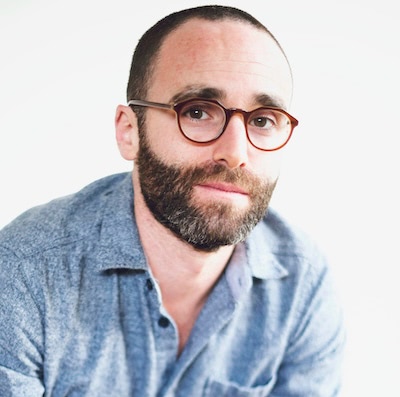
CEO, Unreasonable Group
About This Episode
Featured Guest
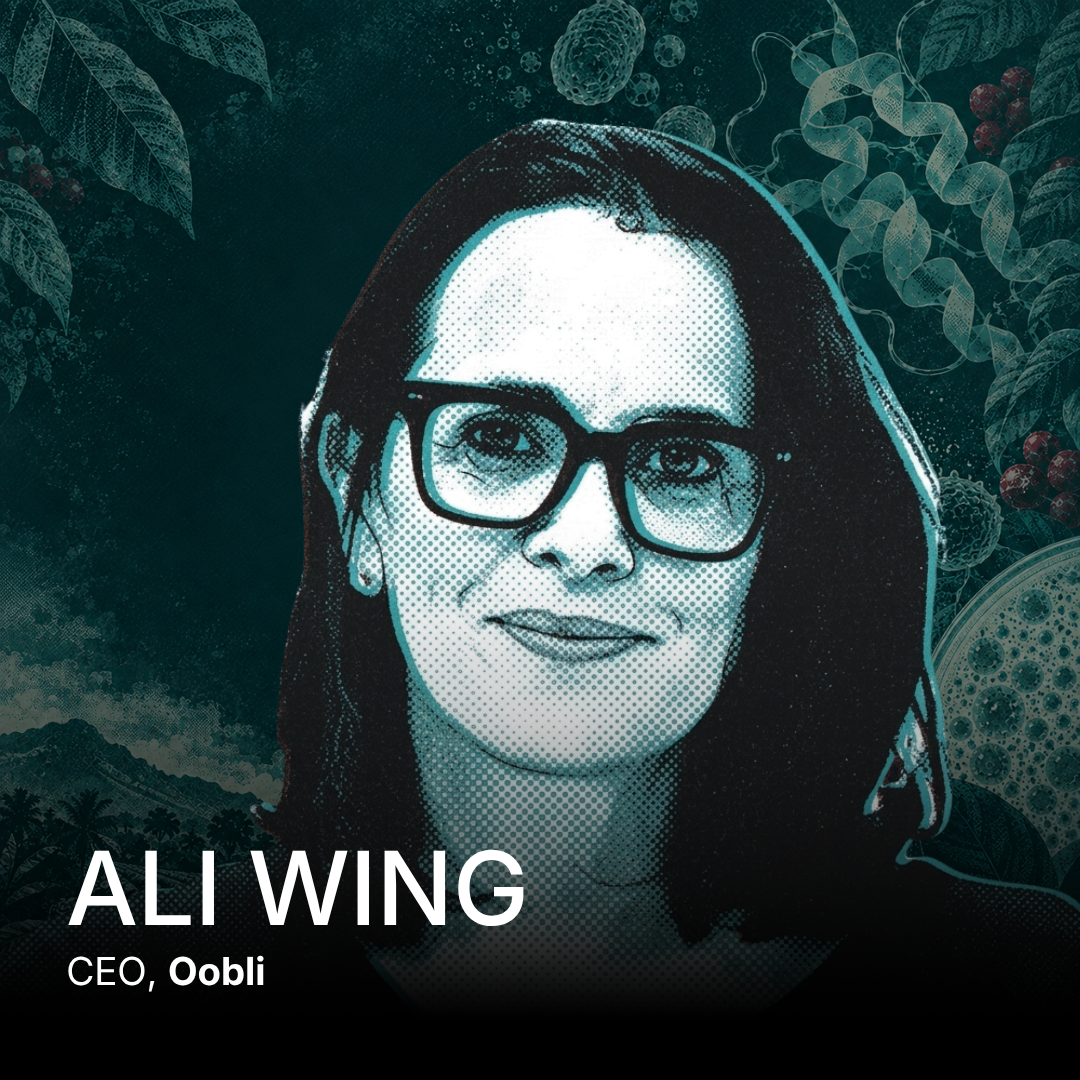
Ali Wing
CEO of OobliAli Wing is the CEO of Oobli, a food biotech company in Davis, California that uses fermentation to produce sweet proteins, plant-identical proteins first found in fruits along the equator that work alongside sugar and other sweeteners, so packaged food and drinks need far less of them without changing the taste or the cost. Before Oobli she founded the retailer giggle, was Chief Consumer Officer at Bright Health, and began her career in brand management at Nike. Ali joined the Unreasonable Fellowship in 2025 through the Unreasonable Food program, run in partnership with Mars.
Key Takeaways
Sweet proteins are about 1,000 times sweeter than sugar by weight. They bind only to the sweet taste receptor, then digest like any protein, with no blood sugar spike and no load on the gut microbiome.
Ali believes plants evolved this to survive. Fruits atop the equatorial rainforest canopy were dying off, so they made one tiny sweet protein to get eaten. It works on large primates like us, not dogs.
Oobli's research began when a founder's family member lost her sense of taste during chemotherapy. The miracle berry protein turns sour into sweet, so a lemon tastes sweet after it, and Ali expects medical uses to follow.
Oobli brews the proteins with Pichia yeast in tanks Ali describes as a brewery meets a NICU. Sugar becomes an input, and its life cycle analysis shows 85 to 95 percent savings on land, water and CO2.
Ali's numbers on metabolic health: about 40 percent of Americans are pre-diabetic or diabetic, similar to India and Latin America, and Japan, held up for its Blue Zones, is now in the high teens percent.
Ali joined the Unreasonable Food program, run in partnership with Mars, in 2025. With 25 people, Oobli works through partners like Ingredion, building sweet proteins into existing sweetener systems. Ali calls it becoming an operating system.
Ali is one of 10 children, with seven adopted siblings from the US and around the world and foster kids at the table, raised just outside West Yellowstone. Dinner was a nightly mandate, and everyone had a job.
Chapters
Full Transcript
Daniel Epstein (0:00)
Welcome to the Unreasonable Stories podcast. My name is Daniel Epstein, and I get the gift again of hosting today's conversation. And today is going to be no exception to the aspirations of this podcast, where we uncover the largely untold stories of individuals looking to define progress in our time. I'm so looking forward to this conversation with Ali Wing, who is the CEO of a company called Oobli. They're using a plant-based sweet protein that could revolutionize the entire food industry by providing healthier, cost-effective alternatives that taste just like sugar, can be substituted out one for one, but instead of being sugary, are actually a protein. In this conversation, you're going to discover the science behind these proteins, where they originate, these plants that grow throughout the equator around the world, the potential health benefits, the benefits for industry themselves and the work that Ali and her team are leading to take us into a much healthier, more regenerative, more sustainable future. Now, of course, we're not just going to talk about the science and about her business Oobli. We're also going to go back into her journey and learn about her roots in farming and being a part of a very large family that was clearly rooted in love and how that has taken her on this wild ride, professional journey and personal journey to be creating ingredients that can go into products that we and our children consume every day. Without further ado, here's Ali.
Ali Wing (1:37)
Thank you, Daniel.
Daniel Epstein (1:38)
Let's begin, Ali. For anyone who's tuning into this, they may not have heard of Oobli yet. In the future, it will be that well known, but for now, could we just start with, you know, the work that you and the team are leading at Oobli, what it is and why?
Ali Wing (1:54)
Well, the what is taking plant-based proteins that were found in fruits and berries along the equator that villagers have been eating for years that have, we think, maybe one of the coolest biological hacks to making sweet tooth still possible to satisfy, but maybe a whole different pathway for people's health. And that's—we actually ferment these proteins so that we don't have to take more from the rainforest in order to do this, but also to make them affordable enough to truly be a replacement for sugar in packaged food and beverage.
Daniel Epstein (2:31)
Mm-hmm.
Ali Wing (2:32)
And that is sort of the work of the work: making sweet proteins a viable replacement for sugar, such that everyday people can balance better the very normal large primate desire to love sweets with the reckless abundance of it now in our diets and at odds with our health. So that's what we work on at Oobli.
Daniel Epstein (2:56)
If I mirror that back or echo that back, it is a one-for-one sugar substitute that could go into any of the products, be that snacks or candy bars or drinks that we may consume, that instead of being sugar, is fermented but originally naturally occurring plant-based protein.
Ali Wing (3:16)
It is. And we only do non-GMO plant-identical protein.
Daniel Epstein (3:20)
Great.
Ali Wing (3:20)
And the fact that it's protein is where the bounty of benefits come from.
Daniel Epstein (3:24)
Yes.
Ali Wing (3:25)
If I take everybody back to Biology 101, every sugar or sugar alternative, whether they're plant-based, natural, artificial, doesn't matter, they're all small molecules. And how our bodies digest a small molecule is really different than how we digest macronutrients. And a protein is a macronutrient.
Daniel Epstein (3:42)
Yep.
Ali Wing (3:43)
By definition of that, we just don't interact with what we all think of in everyday language as blood sugar spikes or loading into the gut microbiome, right? And those are two big issues that are at the sort of core of what's going on with metabolic disease today, obesity and diabetes at a modern level. They're not the only thing, but they are chief culprits.
Daniel Epstein (4:06)
Yeah.
Ali Wing (4:07)
And that's where protein sweetening is just a novel, new, first, and very different. The only thing I would say different than what you said is we're not quite one-to-one. Sugar's kind of a miracle crop. I always tell people we're not anti-sugar, right?
Daniel Epstein (4:22)
Sugar's great. And at the right amount of quantity.
Ali Wing (4:26)
It's a great crop. And frankly, it's a miracle crop. It solves many problems, right? It gives sweetness, but it has mouthfeel, but it does bulking. What sweet proteins can do, is we can only replace the sweetness because the way we molecularly work, we actually bind with that sweet taste receptor. We don't actually interact with the other taste receptors like a small molecule. Small molecules that are sweeteners just bombard them all.
Daniel Epstein (4:49)
Yep.
Ali Wing (4:50)
And so usually, we're going to be about a 60 to 80% replacement. But the idea that we sort of hold the standard to is unrecognizable replacement of sugar. So if you think about, we could take any packaged food or beverage and let's just mark it at 75% and say, have 3/4 less sugar in it, whatever the sugar was, sugar, sugar alternatives, anything, and you wouldn't know. That's what we're usually trying to do. And we haven't increased the cost.
Daniel Epstein (5:22)
Wow. And you've given me protein. Is that fair to say?
Ali Wing (5:25)
We have, but it's not protein loading.
Daniel Epstein (5:27)
Got it.
Ali Wing (5:28)
And the reason for that is the way these plants that evolved, we think, was a hack. Apes and gorillas climbed out of their way to get to these and then didn't get the blood sugar hit. And over time, they evolved to quit—to even know it and quit going after them. Because, of course, think of a plant. They need a mobile species to survive.
Daniel Epstein (5:46)
Yes.
Ali Wing (5:46)
And these were top-of-the-rainforest fruits and berries that were starting to die off. And so they needed a biological hack that was more, sort of less calorically expensive to attract an ape or gorilla to come eat them. And they figured out how to produce one tiny little protein. So, this protein is about 1,000 times sweeter on a weight-weight basis than sugar, but they only produce one. So, they would be a terrible crop and only for the very wealthy, right?
Daniel Epstein (6:12)
Yes, yes.
Ali Wing (6:13)
But, how cool this concept, this protein that goes and kind of kisses or confirms the sweet taste receptor, tells your brain, "Hey, I just got the thing you were biologically designed to crave so that you could survive as an early species," right? But then it unfolds and digests like any protein. So perfect hack, I think, for modern diets, all came out of nature and was really plants trying to survive.
Daniel Epstein (6:40)
Wow. Who discovered these fruits or berries? And you said around the equator, is that worldwide or are these coming from a specific geography?
Ali Wing (6:48)
Worldwide. We know them so far from West Africa and Southeast Asia, But I'm 100% sure, Daniel, think of how still new CRISPR is and what we now know about the plant kingdom. We're still going to find more.
Daniel Epstein (7:01)
Yes.
Ali Wing (7:02)
These weren't the only ones that did it. There's about a dozen known plants today. What we found that they share in common is this ecosystem of sort of top of the canopy on the equator. And I'm guessing we're going to keep finding them, right? And so far, it's interesting, they all do the same sort of trick, right? Which is, we like to say it's kissing that taste receptor to tell your brain you got the sweetness, but then it's not. But they do it differently. And they're about 50% different from a homology point of view, meaning they have things like, some are more soluble than others, some handle pH better, some are going to be slightly more rounded in how they do it. So it ends up being kind of a toolkit for—
Daniel Epstein (7:42)
Wow.
Ali Wing (7:43)
If you think the large CPG, whose goal, right, is to not increase costs, number one, to make sure the taste doesn't change, but hopefully deliver something healthier.
Daniel Epstein (7:53)
Yep.
Ali Wing (7:53)
And that's why we really work on the toolkit. So to answer your question, there isn't a one person. They started being found by scientists on the bench with the early tools of CRISPR research, where they started to see this pattern of these proteins that function differently on large primates. And by the way, if a dog eats them, they don't work on them.
Daniel Epstein (8:14)
Oh, really? It's really designed for us. Yeah. Wow.
Ali Wing (8:18)
Yeah. We're very uniquely designed here. It's also why humans have such a sweet tooth, right? If you think of early evolution, you had to work a lot harder to get a tuber or a root than you did to kill a squirrel, right? And so you had to work. So we're really finely tuned here, and it's very unique to large primates. So fascinating, huh?
Daniel Epstein (8:40)
So fascinating.
Ali Wing (8:41)
Okay.
Daniel Epstein (8:41)
So tell me a little bit about how you found Oobli or Oobli found you. How did this, you know, really novel, incredible mutation in the natural world around the equator come into your field of awareness?
Ali Wing (8:55)
Well, important that I give credit to the founders, 'cause I'm not the founder. I was brought into this. And so let me tell you how it was founded and then how we got married, right?
Daniel Epstein (9:06)
Yeah.
Ali Wing (9:06)
Two guys, one out of Caltech, one out of Berkeley, knew each other and were doing a lot of research on food as health and different ways to take better knowledge from this emerging world of CRISPR and do it better. One of them, in the middle of it, his mother ended up getting cancer. And through her cancer treatment, typical, right, chemo treatments, got ageusia. And it's pretty typical to lose your taste. It means you can't taste. That's why people struggle with chemo—
Daniel Epstein (9:35)
It can be horrible.
Ali Wing (9:36)
Eat enough, right? Same with dementia. Very similar. Like lots of these diseases now we're figuring out really interrupt the taste and then you can't eat enough nutrition, right?
Daniel Epstein (9:45)
That's right.
Ali Wing (9:45)
So one of these proteins called the miraculin protein, or from the—
Daniel Epstein (9:51)
Great name.
Ali Wing (9:52)
Miracle berry. Yeah, it's actually the one that's different than all the rest. So that's the interesting part. But it actually—we haven't even scratched the surface of medical applications we think will come from sweet proteins. But it actually—the the research started with that. And that's because one of these proteins, it is sweet, but it doesn't just sweeten, it takes sour and makes it sweet. So when it confirms with the taste receptor, it actually changes. So if I gave you a lemon right now, you tasted it, you tasted a miracle berry, and then you tasted the lemon again, the lemon would be sweet.
Daniel Epstein (10:23)
Sweet. Wow. Yeah.
Ali Wing (10:25)
Right. There is this whole area that's probably gonna be very rehabilitative for taste interruption. And we think those will come from sweet proteins. But that's where it started. They were in the middle of sort of, "What do we do?" And at the beginning, they were growing these plants, and they were very dedicated to the idea of plant-based and everything. But we quickly realized before I'm there, hey, it'll be too expensive. These plants only make enough to get the job done, and we now need to give people a sweet solution.
Daniel Epstein (10:53)
Yeah.
Ali Wing (10:54)
So that's where the guy from Berkeley, Jason, who's still our founder and CTO, is a fermentation expert, and he brought kind of the best of fermentation to the best of this technology. And once they started looking at it, they said, "You know the big—if we look at the biggest disease here, it's obesity and diabetes." And they started saying, "We need somebody who can come in who can really understand the consumer, really understand the problem we're trying to solve, and how do we work with the food industry?" And that's where I enter at the time. I've spent a career— I always like to say, you know how you look back and try to define how your career was your career? And it—it all makes a lot of sense to me, but it was certainly wasn't my plan at the beginning.
Daniel Epstein (11:34)
That's right.
Ali Wing (11:34)
Because I really have a career that's at the intersection of where technology was changing healthy living. And I've done it in five industries.
Daniel Epstein (11:40)
Five industries.
Ali Wing (11:42)
Where I was when they reached out to me was in healthcare proper. And I was a chief customer officer sitting on top of all of our metabolic disease. And I had three strong feelings about it. One, I was blown away at the statistical problem and the growth rates. It's like nothing we've ever seen.
Daniel Epstein (12:02)
Can you share a little bit of that, what those numbers are now?
Ali Wing (12:05)
Yeah, I mean, by all accounts, any way you slice this, they're epidemic growth rates. And the short version I would say is that when I was a little girl in the US, we would've known if there was a chubby kid in our school, right?
Daniel Epstein (12:20)
Wow.
Ali Wing (12:21)
And it's politically incorrect to say that because it wasn't about whether they're good or bad, but you just didn't have kids that were overweight. And now we run close to 20%. I'll give you a few anecdotes. If we were gonna host a draft today in the country, a third of our young men would fail on a health basis.
Daniel Epstein (12:39)
Yeah.
Ali Wing (12:40)
And again, this is not something we can say is all because of sugar consumption.
Daniel Epstein (12:45)
Yeah.
Ali Wing (12:46)
But it's a chief culprit. It's also modern diet, not enough nutrient variety, highly processed, and not enough activity. Like, it's a combination of things, but there's a really, really strong play with this with sugar.
Daniel Epstein (12:59)
Yes.
Ali Wing (13:00)
And there are staggering numbers. Here's a statistic I'll give you. I think we tend to think about—so the average American, a little more than an average European, but is eating about three times the recommended daily amount of sugar, like the average is. In the US, we're about 40% pre-diabetic to diabetic. So we're close to half, and we're very similar to India, the world's largest population, and Latin America, right? We're all kind of roughly the same numbers, but I always throw this one out. I don't know about you, but I always think of Japan as one of the countries we hold up as a diet that we aspire to. We think of the Blue Zones.
Daniel Epstein (13:43)
Definitely.
Ali Wing (13:43)
We think of the centenarians. They are now running high teens percent diabetic.
Daniel Epstein (13:48)
Wow. And diabetic.
Ali Wing (13:50)
And pre-diabetic to diabetic. So we always classify those together because your metabolic shift has already happened, whether you're being treated or not. And that's just a number none of us would have ever expected, right? So, it's a modern food crisis.
Daniel Epstein (14:04)
Yes.
Ali Wing (14:06)
That is very much throughout the world. And so, when I was in healthcare tech, I was blown away at the numbers, the size of it, the rate of change. But I was also really, my only job as chief customer officer sitting across the data, was really prescription compliance, which had an emptiness to me. And again, I don't say this coming out. I don't ever say this saying I'm not thankful for Western medicine. I am. I think as a source of if you have a sickness, we are very lucky to have something that can be as intervention-focused when you're sick. But we're probably not one of the best health systems, right?
Daniel Epstein (14:42)
Good sick care, not the best healthcare.
Ali Wing (14:45)
Not a healthcare system. And for me, I really was like, there's really no mechanism within how our payer or our healthcare systems work to talk about food, we just don't have the mechanism at all. So the only thing I could really do is help people already sick stay on drugs. So average person over 60, I think it's 62, maybe 63 in the U.S., is now on six prescriptions.
Daniel Epstein (15:11)
Wow!
Ali Wing (15:12)
So when I started looking all that, that just is like a path to nowhere. So my personal ammo, they—and we shared some investors from earlier in my career reached out and said, "You're—you understand the consumer, you care about where it's going." And I said, "I need to be more on the prevention side, not just the sick management side. And food is health is the pathway for that." So I'm committed to that. And Oobli is tackling one of the biggest problems. So...
Daniel Epstein (15:39)
How long ago did you join Oobli?
Ali Wing (15:41)
Four years ago now.
Daniel Epstein (15:43)
Four years ago. Okay. And how has the journey been for you thus far? Maybe what has surprised you most? And this could be challenge, difficulty, easefulness, reception. It could be anything.
Ali Wing (15:54)
I'll start with the win. I think I thought this was an amazing idea.
Daniel Epstein (15:58)
Yes.
Ali Wing (15:59)
And four years in, I'm more blown away by its potential. So, when I think of the glass half full, I thought I knew the problem. And I thought this could be such an incredible tool. And I believe in all of that twenty-fold more four years in. And that's with unpacking a lot about how to make this work. Okay?
Daniel Epstein (16:19)
Yes.
Ali Wing (16:20)
There's two sides of what's challenging. One, I will say, how does the food system work today? And just being at the ingredient level, which I'd never been at the ingredient level within our food system, a very multilayered, complicated food system, rather than the food or the end product label. I'll talk a little bit about that, and then I'll talk about capitalizing this first generation of bringing the best of science to the best of nature in what we call food tech or food is health? What's hard about that? I think on the food side, you know, the bigger the company, and I get it, I serve on public company boards, the bigger the company, the more our incentive structures are risk mitigation. And I get that, right? It's very difficult to get at global systems change with only an incremental margin, sort of set of incentives, though, because you're going to really have to think about retooling. So, when I look at this today, large companies, particularly in the U.S.—this is not true throughout the world, it's a little different in some other places—they don't really have an economic incentive for health. So, I knew I had to win. We're in food, so I had to first deliver on taste, right?
Daniel Epstein (17:35)
Yeah.
Ali Wing (17:35)
There's nobody in food who's not saying, "I have to deliver what consumers have already decided they want." And then I knew, second, I'd have to deliver on economics, right? Think of the world of inflation we're in. You can only take that much more cost into this. And our system, good or bad, has been optimized around lowering costs, right?
Daniel Epstein (17:54)
Mm-hmm.
Ali Wing (17:54)
So I have to compete on cost. But fermentation is great. You marry that with the magic of 1,000x potency, and we can get at cost for them. So I figured, okay, I'm in the game. What I think has surprised me is just how difficult it is to get anybody to talk about the potential health reasons. I don't want to demonize what's in the market. My goal isn't to go out and say sugar's bad or a sugar alternative or what anybody's doing or how we got here. I actually kind of love the idea of we can just do this better, right?
Daniel Epstein (18:27)
Mm-hmm.
Ali Wing (18:29)
But the lack of incentive, and therefore the lack of willingness to really have a health discussion, and yet we can all point to 20 years ago, most packaged food had at least half, if not a third, of the sugar they have in them today. We've been adding and adding and adding, 'cause it makes—sugar's a little bit used like crack within our system.
Daniel Epstein (18:51)
It's a little addictive, yeah.
Ali Wing (18:52)
Yeah, and we overcultivated in the world, leading to some of the climate problems, which has driven commodity prices very low. Very cost-effective way for people to do it, but without the balanced consideration of what's going on, right? And what I will tell you is there aren't good incentives. This is a North American thing. It's true in other places in the world, but it's particularly true here. We don't have a mechanism to incent them to try to deliver a healthier, food product. So it's rare when I'm working with customers, every consumer proposition we talk about, we're talking about the why, right? It's not typically what we're talking about with the big guys. We're talking about taste and cost and maybe innovation credit. And I think that surprised me more than I thought it would.
Daniel Epstein (19:43)
Mm-hmm.
Ali Wing (19:44)
We're in the first innings, like whether CRISPR defines it or whatever, whether you're doing plant-based, and we're in the world of doing plant-identical plant-based. So it's kind of as traditional as possible of using this new technology. We're not introducing molecules that haven't existed or anything like that. But you're still in brand new capital markets. And we don't really have capital markets today organized around this idea that we can get at prevention.
Daniel Epstein (20:12)
That's right. Yep.
Ali Wing (20:14)
We have food, we have health capital, but that's biopharma optimized around drugs. And by the way, those multiples And those margins are always gonna beat food, right?
Daniel Epstein (20:26)
Yeah.
Ali Wing (20:26)
Just by virtue of the cost model and the structure. Then you have climate, which was, thankfully for us at the early years, one of the early drivers for food tech, but largely off the idea of getting people off animals onto plants. We're in plants, but we can actually use the planet much better, right?
Daniel Epstein (20:45)
Mm-hmm.
Ali Wing (20:46)
We can take acreage and water out of production.
Daniel Epstein (20:49)
Yeah.
Ali Wing (20:49)
We basically use sugar as an input instead of an output at 1,000x leverage, right? The challenge today, especially in North America, there's a lot of people now step back on the sidelines and nervous about health or about climate investing, right? And then you really have this third idea, which is the food investors, which generally none of them have an investment model that can take—that can sort of model out what to do with the R&D that's required to figure out how to build these new ways to produce, right?
Daniel Epstein (21:22)
That's right.
Ali Wing (21:22)
They enter the scene at a capital level at a much later stage. And so you sort of blend all that and you have this inherent tweener in this model that is prevention is less of a silver bullet than you can say a drug fixes a disease. And you can start to understand why we have a system that is optimized around sickness removal and not healthcare. And we live in that. So that's my greatest—I think I knew it.
Daniel Epstein (21:50)
Yeah.
Ali Wing (21:51)
But now I live in it and I'm trying to solve to build the incentives. And I honestly think it's gonna take some value decisions about are we willing to go after multi-system change?
Daniel Epstein (22:03)
Mm-hmm.
Ali Wing (22:05)
Traditional models just to optimize investment and return as fast as possible will probably require some overlay in this if we're going to get at prevention.
Daniel Epstein (22:14)
Yeah. And you first, Ali, joined the Unreasonable Fellowship last year, right?
Ali Wing (22:20)
Yep.
Daniel Epstein (22:20)
With the Unreasonable Food Program.
Ali Wing (22:21)
Yep. With Mars.
Daniel Epstein (22:22)
With Mars. I'm curious, one, how's it going there with Mars? And two, are you, as customers—because I had the privilege of tasting your chocolate at that gathering and it was incredible. Are you selling into the brands like Mars, or are you selling to their suppliers like Ingredion or others like that?
Ali Wing (22:43)
Daniel, the answer is yes, yes, and yes.
Daniel Epstein (22:45)
Got it.
Ali Wing (22:47)
Our chocolate is—we're not a CPG company, right? We're a biotech company doing plant-based work, building an ingredient that should be a set of ingredients that create a toolkit for people like Mars, right? That's our biggest revenue model. But even when we're sitting in front of a product development team, we're the first ones ever to bring protein sweetening. It's much easier to hand them a chocolate bar. Risky when you're doing it with Mars, like hard to give the biggest chocolate maker in the world a chocolate bar, but I'm pleased that they love it too.
Daniel Epstein (23:16)
Yeah.
Ali Wing (23:17)
Versus a bag of powder, right? Like, it's easier even for experienced people to get it. So, that works as an exemplar. But Mars is no different. This was that complexity of our food system, they're involved in making, and so are all the layers. So I have to—I am excited that we announced a partnership about the time we announced Mars with Ingredion, who is the largest natural sweetener alternative provider, particularly now that they're in the middle of acquiring Tate & Lyle. They're the biggest providers of stevia.
Daniel Epstein (23:51)
Yep.
Ali Wing (23:51)
And we will become a partner to almost every part of the sweetener systems in packaged goods. Remember I said we don't—we're not a one and done. We're usually at 60 to 80%.
Daniel Epstein (24:02)
Yep.
Ali Wing (24:03)
What we figured out is the way to win is to have every one of those guys building sweetener systems for the Mars also using us within their stack. It's almost like we're an operating system, right? We wanna become the new chassis for those. But stevia has—can do mouthfeel that we can't do. We can only do the sweetener base. Or let's say we work—we're working with a very large company in Europe on who makes chicory root or inulin.
Daniel Epstein (24:28)
Yep.
Ali Wing (24:28)
That's gonna become the bulk.
Daniel Epstein (24:29)
Yep.
Ali Wing (24:29)
And we—they can bulk, but can't sweeten. So, we can come together. So, component ingredient selling, we're doing in the middleman. Why we then work with some very large companies like a Mars. We don't work with very many of the global guys directly because we're little. Like, we're only 25 people as a technology company. Mars is a good example of the difference. We have a couple types we do work with. One, I think it's because, example, number one is they're part of the Unreasonable program. They have made a corporate commitment to try to push agendas. And they're a private company. I don't think that's accidental either. So, they're making a longer-term bet. So, we are embedded with them across all three parts of their businesses. We are deep in their—
Daniel Epstein (25:15)
Wow! All three. I didn't know that. Incredible!
Ali Wing (25:18)
We are deep in our work with Wrigley. They have—Hotel Chocolat they acquired will be our first set of products that come to market with them.
Daniel Epstein (25:26)
So good.
Ali Wing (25:27)
That's their innovation line, right?
Daniel Epstein (25:28)
Yeah.
Ali Wing (25:29)
And of course, as they've been absorbing snacks, there are snacks all the way to their traditional lines that we are in the middle of testing on. So—
Daniel Epstein (25:39)
Amazing.
Ali Wing (25:40)
They have been great partners. They go slow. They're very large. They're in the middle of a very large acquisition. And any one of those lines has multilayered suppliers. So we work with them, each of the suppliers, then we work with them, then we work with each of their divisions, and then they have to work with all their retail distribution partners for when they can get to market.
Daniel Epstein (26:03)
Totally right. Yep.
Ali Wing (26:05)
So it's long.
Daniel Epstein (26:06)
The whole value chain.
Ali Wing (26:07)
Very, very, very complicated. But we love it. And they've been great partners and we're very excited. And I think we would all say, I think if they were on the call too, that we will be launching Hotel Chocolat for Mars' first protein-sweetened products early next year in the U.S.
Daniel Epstein (26:22)
Early next year. That is so cool. And will this be the world's first kind of mass market plant-based protein sweetener in a chocolate bar?
Ali Wing (26:31)
Well, we are in the market today.
Daniel Epstein (26:34)
Yes.
Ali Wing (26:34)
Not just with our chocolate. We have a dozen better-for-you challenger brands that have already started to protein sweeten.
Daniel Epstein (26:41)
Great. Amazing.
Ali Wing (26:42)
BREZ is a CBD beverage that's in every Sprouts now. They use protein sweeteners. BiOptimizers does sort of better-for-you nutraceuticals. They're protein sweetening. Hero Bread has done protein-forward breads. They've done scones and different sweet products that are now protein sweetened. And you'll see about half a dozen more hit between now and early next year.
Daniel Epstein (27:09)
On the packaging, what is the ingredient actually named?
Ali Wing (27:13)
You asked the— particularly to the CEO was brought in to try to say, how do we help people understand this?
Daniel Epstein (27:18)
Yes.
Ali Wing (27:19)
The dream is that it becomes "Oobli inside" so that it becomes a shortcut for consumers to understand, "Oh, this I can trust." This is good for me. Because most consumers are pretty confused about which is a good sweetener and which isn't now. They're kind of lost in the sauce, right?
Daniel Epstein (27:34)
That's right.
Ali Wing (27:36)
We offer big price incentives from a costing point of view if they market— badge it, "Oobli inside."
Daniel Epstein (27:43)
Great. Smart.
Ali Wing (27:44)
Not everybody does it because some don't touch their brand and we don't require it because we want everybody to get this regardless. But really, that's my most important marketing is I give them a big discount if they'll badge it so that they start to educate consumers with me. On the NFP in the back, and I always get asked this question, "Is it like a protein? Is it like a sugar?" And it's like, it literally takes it out of carbohydrates or sugars and puts it into protein. So, that's what's happening on the NFP and on the nutrition fact panel.
Daniel Epstein (28:15)
What's an NFP?
Ali Wing (28:16)
Nutrition fact panel on the back of—your list of ingredients.
Daniel Epstein (28:20)
Yeah.
Ali Wing (28:21)
We will always say sweet proteins.
Daniel Epstein (28:23)
Yes.
Ali Wing (28:24)
Because they're all the same protein internally.
Daniel Epstein (28:26)
Yep.
Ali Wing (28:27)
Some of the larger companies, who will worry about identification at a scientific level may put a parenthetical on which is the scientific name. We don't recommend that. That is a risk decision they'll all make. We are really hoping we build a common knowledge understanding of what is a sweet protein.
Daniel Epstein (28:44)
So exciting. If I were listening to this conversation and I had any product that utilized sugar and I wanted to take that sugar down, you have a solution, sweet protein that is cost comparative and can reduce sugar by, on average, let's say 70, 75% without changing taste at all.
Ali Wing (29:04)
That's right. That's right.
Daniel Epstein (29:05)
So cool.
Ali Wing (29:06)
I always like to say sweet proteins are kind of like good kids in the playground. We work with every sweetener. So there's a new trend for the first time, which I'm actually kind of excited about in the U.S. It's the first time we're talking, instead of being focused on a zero on a label, we're saying we have just a small amount of sugar. We work great with sugar, but we also work great with every sugar alternative. So if you are really passionate that you need a zero, or you only want natural alternatives, or you want artificial because you have a different demographic, in any one of those, we could help you cut those by 2/3. That's an amazing opportunity when we just think about the load of sort of carbs or small molecules in your gut.
Daniel Epstein (29:46)
Now, you live really close to this, but a lot of people don't. When you're talking about fermentation and the efficiencies of it and the advantages of it. But can you describe what that process looks like for Oobli as you're fermenting these sweet proteins?
Ali Wing (30:01)
I always start with sort of the familiarity part of it and say, everybody's been eating fermented foods forever.
Daniel Epstein (30:08)
Yeah, and drinking it.
Ali Wing (30:10)
It's cheese, it's beer, it's wine, it's cheese. Like, we eat a lot of fermented foods. So fermentation is not a new tech.
Daniel Epstein (30:18)
That's right.
Ali Wing (30:18)
What's new that came out of what we've learned through biotechnology is, at a molecular level, how to teach the host, usually a yeast, and we use a yeast, we use a very standard—it's called Pichia yeast. It's used in a lot of baking in the U.S. today and throughout the world, right? And we teach that yeast how to produce this one particular sweet protein molecule, right? Whichever one we're brewing. But then we are literally doing what anybody does. If you go to a brewery and you see a distillery, there's a big tank. And we have the yeast in it, and it is—it looks like a, you know, I always say it's somewhere between a brewery meets a NICU. Like, we're encouraging this yeast to produce this for the most amount of efficiency.
Daniel Epstein (30:59)
That's right.
Ali Wing (31:01)
Today, and I always think it's worth sharing with people, we actually—I like to think of what we're doing is we're basically doing a lot like what we need to do with fossil fuel. None of us would argue fossil fuel is not an amazing miracle resource, right? It is, but we need to use it more responsibly. If we just use it, we'll use it all, right? We need to upgrade its role. Well, that's essentially what sugar is, because even though sugar we've made so inexpensive, we've done that at the cost of incredible amount of acreage in very precious areas with incredible water usage, which I don't think when anybody slows down and says we don't need to use all that—better. Those are important resources, right? So what we do is we make sugar an input to fermentation, and we output something that's 1,000x more potent.
Daniel Epstein (31:49)
1,000x. So it's 1,000 times the efficiency.
Ali Wing (31:53)
Exactly. And so when we do our life cycle analysis and kind of evaluate how much does this help the planet? And we, of course, look at water usage, we look at CO2, we look at all of the standard views on climate, we're going to be worst case about an 85% leverage for each gram we replace, and best case about 95%.
Daniel Epstein (32:15)
And so when you say 85 or 95%, what that's translating to is if it took 100 liters of water to create something, you're going to do it with 15 to 5.
Ali Wing (32:27)
Yep.
Daniel Epstein (32:27)
Or 5 to 15.
Ali Wing (32:28)
5 to 15. Whether it's water, whether it's CO2, whether it's land, nitrification, like, doesn't matter.
Daniel Epstein (32:35)
Yeah.
Ali Wing (32:35)
Any of those, we're gonna run that range. We'll always be on land and water closer to the 95s.
Daniel Epstein (32:41)
Yeah.
Ali Wing (32:41)
Yeah. it's actually CO2 that we sit closer to the 85, and it's just because fermentation has its own contribution. So we look at this with a real cradle to grave and a full circle and say, we also still have to do other processes. So in that, but the leverage is undeniable for the planet.
Daniel Epstein (33:00)
Mm-hmm.
Ali Wing (33:00)
Undeniable.
Ali Wing (33:02)
So that's why I always say, I live in Davis, California now, and this is California farm country. This is where—
Daniel Epstein (33:09)
Mm-hmm.
Ali Wing (33:10)
This is the California breadbasket. This is where most, or the U.S. breadbasket. It's really where we get most of what we eat as vegetables, right? And I always say, I'm the children— I'm the grandchild of farmers from Sonoma before it was all wine. I've like come full circle. I am—this is about bringing the best of tech to farming as a partner. It's turning how we do those choices into the highest return, but not because we don't want plant-based farming. We do. We just need to do it in the right places with the right resources and the right trade-offs.
Daniel Epstein (33:42)
Yeah, in essence, you can produce the same outcome what would have taken, you know, I guess 100 acres, you could do in 5.
Ali Wing (33:50)
100%.
Daniel Epstein (33:51)
In essence.
Ali Wing (33:52)
Yeah. And use those other acres in a bounty of ways, right? We, of course, think particularly for sugar, and we work as an input with sugar beet, sugarcane, corn, doesn't matter. We're indifferent.
Daniel Epstein (34:02)
Yep.
Ali Wing (34:03)
That's beautiful in that we can get after where we've used the rainforest, and we can give back land at a high rate, right?
Daniel Epstein (34:09)
That's right.
Ali Wing (34:10)
It's also beautiful in that you can ferment around the world very cost-effectively. So, I don't need to produce it in one place and ship it across the world. I could run it for regions and ship locally, which is also massive climate impact.
Daniel Epstein (34:26)
That's right.
Ali Wing (34:26)
Right? So I just get really excited.
Daniel Epstein (34:29)
And supply chain resilience.
Ali Wing (34:30)
100%. 100%.
Daniel Epstein (34:32)
I can't help but constantly reflect on this feeling that these solutions that are so much better for our own biology are oftentimes also so much better for, in essence, the inherent biology of our home, of this planet.
Ali Wing (34:47)
I agree.
Daniel Epstein (34:48)
It's not an either/or. And in this case, It's also economically a no-brainer, let alone the belief—if you believe that in the future consumers are going to have higher levels of awareness, so there'll be a premium on the products that reduce their sugar count, let alone that, you know, it's a win-win-win-win.
Ali Wing (35:07)
100%. Listen, I think I'm a big believer, and this is—I'm more educated than ever now, four years into this journey, while I know healthy living and have always spent my time sort of voting with contribution that way, fermentation, I'm a lot smarter on. I've now been deep in it for four years. Fermentation is a critical new tool for us when we think of population growth and marrying that with good health and climate responsibility.
Daniel Epstein (35:32)
Yeah.
Ali Wing (35:33)
The upside with sweet proteins is we'll probably be—I think we're probably the poster child of why it should work and where it will work early, because we—because of that 1,000x potency, we can get to those economics much faster than if you're replacing your dairy, right?
Daniel Epstein (35:52)
That's right.
Ali Wing (35:53)
Think about it. We just will always be less than 0.5% of any product. We'll always be the smallest ingredient. You don't need a lot to get it sweet. If you're replacing a burger, it's a lot more mass.
Daniel Epstein (36:05)
Yes. Yes.
Ali Wing (36:07)
So that journey on techno economics to margin for the CPG guys, it's a steeper climb. The technology will have to keep maturing. We're actually closer to the tech we've all been using in fermentation.
Daniel Epstein (36:21)
Now I wanna go back in time though.
Ali Wing (36:23)
Okay.
Daniel Epstein (36:24)
Which is, I'm very curious about your upbringing. You already mentioned, you know, it was close to the land, it was in Sonoma. If you could paint a picture of young Ali and then draw the line a little bit of how your upbringing shaped who you've become.
Ali Wing (36:37)
So I was born in Sonoma, but I didn't really grow up there. I grew up in Montana.
Daniel Epstein (36:41)
Okay.
Ali Wing (36:41)
And this is an important intersection. I have and had incredible parents. So my dad is the first person in a generation ahead of me to sort of leave the farms and leave blue collar and get educated. But my dad always believed in you have life is an N of 1, and your most important decision is where you spend your time in terms of what you're going to get out of life.
Daniel Epstein (37:11)
Mhm.
Ali Wing (37:12)
And so, the two big arcs for my parents, which hugely influenced me, and it will circle back to my farmy Sonoma, was that my dad loved, loved, loved the parklands, and passionately. My dad has been gone for about 20 years, but he is struggling up in heaven, however that is, him right now at this moment in parklands because he was a diehard protector of the resource.
Ali Wing (37:38)
But he and my mom really believed, which is very typical of old Protestant farming Americans, in helping kids without families and orphans and home. And I am one of 10 kids and I have 7 adopted brothers and sisters, and I always grew up with foster kids in addition to my brothers and sisters.
Daniel Epstein (38:00)
Adopted. Wow.
Ali Wing (38:00)
And so my parents were really early. Now, that was happening in farms. A lot of people didn't know about it, but, you know, I always say they were way ahead of the Angelina Jolie and Brad Pitts of the world. That was just their DNA and communities. And that was a very old farming view, which largely came out of, at an acceleration point, out of the Korean War and this recognition of this role we were having both in our backyards. We have brothers and sisters adopted from the U.S. as well as all over the world.
Daniel Epstein (38:30)
Yeah.
Ali Wing (38:30)
And they were just very self-educated in that. So if you marry those two things, my dad was an accountant to afford for them to do all of these things, but he figured out how to move them from California to right outside of the gates of West Yellowstone so that he could work on land projects around West Yellowstone.
Daniel Epstein (38:48)
So that's why you were in Montana?
Ali Wing (38:50)
And they moved back. I'm the last one. I'm the third oldest. And I'm the last one to go to high school there. And there's a four-year gap between me and the next. Largely, they moved back to California again, not because they didn't always love California too, but he was really committed to the parklands because of the diversity and the language access. And my brothers and sisters all had very different needs, right? So they moved back to their roots, which is back here. But I really grew up in Montana. And I always say, when you really look—I don't think I had words for this growing up, but I grew up with this incredible sense that food was farm to table before we all called it. That's how I was raised.
Daniel Epstein (39:28)
Yeah, that's just how it was.
Ali Wing (39:30)
You lived outdoors. You cared about education, but you got your hands dirty in soil and you cared about things like parklands and community around access. And you always worried about, you know, there was always room for somebody else at the table. Those were the most guiding principles of my life.
Daniel Epstein (39:49)
How has that—those principles been woven through your life up until today? How do you see those principles showing up now?
Ali Wing (39:57)
I think I wouldn't be at Oobli without these type of principles, right?
Daniel Epstein (40:02)
That's right.
Ali Wing (40:03)
I could make more money an easier way—have easier jobs than trying to be in the first generation of food is health.
Daniel Epstein (40:09)
Mhm.
Ali Wing (40:11)
I choose to blend how I provide a livelihood for my family with things that matter to me.
Daniel Epstein (40:19)
Well said.
Ali Wing (40:20)
Generally, I started doing at a very young age. I started my career at Nike, and it was healthy living for sure, but I left after 6 or 7 years, and everyone's like, "Why would you leave?" And I was like, "Because I need a little bit more of an itch scratched." And I started working in deeper parts of the health problem. To this day, I cherish my time at Nike. I learned great things about the consumer and brand and everything.
Daniel Epstein (40:45)
Yeah.
Ali Wing (40:46)
But I was quickly on a journey to say, there has to be another leg of the stool for me. I have to know that I'm affecting something that is really going to change something that's important to me. And honestly, whether it was healthy baby products to healthcare tech to early wearables to now food is health, I have spent my career since then pushing that envelope. So I think it's been a huge impact in terms of how I choose my career. I also think it gave me that, I don't know, permission, confidence to never say that I'm just going to do that on the side and I'm going to have my job. I always expected to integrate them.
Daniel Epstein (41:28)
Yeah.
Ali Wing (41:30)
I was kind of comfortable with the trade-offs, right? A lot of people wouldn't have left things that I left when I felt like I couldn't have that gear that I wanted.
Daniel Epstein (41:39)
Yeah.
Ali Wing (41:40)
And there's risk in that, right? Like, you restart, you move an industry, you rip up networks. And I think I always thought the N of 1 was more important to me than those risks. So, I was just willing to follow that. And I don't think my dad would have called himself an entrepreneur. And I look back at his career and he was the ultimate entrepreneur in everything he did. We didn't even have a name for it. I would say—
Daniel Epstein (42:05)
Just dad.
Ali Wing (42:06)
Just dad. Just dad. And I would say similarly, I think I'm most proud of my how in what I do in that—and this comes from my parents. I was not like my parents and I do not have 10 kids. I have one, and I always jokingly say I squeaked it in under the wire, and I'm so thankful I did because it's the best thing I ever did. But I think I treated everybody that I've ever worked alongside with, whether I was their boss, I was an employee, whatever it is, the teams—I'm most proud of that so many people that have worked with me will disrupt their careers, change industries, and follow me to another venture. And I think that's my ultimate compliment to my parents and how I was raised, which is—
Daniel Epstein (42:50)
Mm-hmm.
Ali Wing (42:51)
People always ask me, how did it work to have siblings of five different ethnicities, four different languages, foster siblings? I was like, I don't know anything else but that. That was just—we were just family.
Ali Wing (43:03)
I think I learned that you build a framework for a lot of different perspectives to be successful, and you make it a place people want to come back to, and the rest takes care of itself.
Daniel Epstein (43:16)
Well said. Well said. I am so curious because I can just imagine, you know, at least nine other siblings, but sometimes it sounds like more in the house. What was that like? Like around—was there a dinner table that you all sat around?
Ali Wing (43:35)
Oh, for sure.
Daniel Epstein (43:35)
Yeah.
Ali Wing (43:36)
Dinner was really just us, right? Dinner was a mandate. We did it as a family every night.
Daniel Epstein (43:42)
Wow. So funny.
Ali Wing (43:42)
Well, there's a few things, right? We didn't have a lot when I was younger. So I'm one of the older ones. My dad was, I think, ultimately by a lot of accounts, successful, but I remember us having very little, right? Like it was a very big deal the first time I got a pair of leather tennis shoes, right? Like things like that are big in my memory. So what I remember as a young kid when I had all these brothers and sisters, and again, I'm one of the older ones, my parents were—I'm the third one, and my mom and dad were 23 and 24 when they had me, so they were young.
Daniel Epstein (44:13)
Wow.
Ali Wing (44:14)
We always had enough, but we never focused on stuff, right? So, dinner was, when I look back now, healthy but efficient.
Daniel Epstein (44:26)
Had to be.
Ali Wing (44:29)
Yeah. And you got served a quantity, and the rest was if there was some. So you also learned how to clear your plate.
Daniel Epstein (44:37)
Yep.
Ali Wing (44:39)
And there was a sense of organized chaos, right? Like, we—my parents ran a, I would say, a tight ship, right? Like, in that we had jobs, we got our jobs done. We, you know, everybody showed up at the table with their hands washed. Everyone took a plate when they left. And then we divided into roles, right? Who was doing the animals? Who was taking out garbage? Who was like—we had roles.
Daniel Epstein (45:03)
Yeah, of course.
Ali Wing (45:04)
They were not things that I ever remember challenging or questioning. It's everyone had jobs for as long as I could remember.
Daniel Epstein (45:13)
Yep.
Ali Wing (45:13)
And I think those are the things that I really remember. Otherwise, what I would tell you is that we just had a lot of fun. I mean, I had a happy childhood.
Daniel Epstein (45:23)
Yeah. Like so many playmates, all of your siblings, and you live, you said, at the gates of, you know, one of the greatest natural monuments on Earth. What was it like living in such proximate relationship, not just with the farm, but with the national park itself, with the wilderness for you?
Ali Wing (45:41)
I always say that—so I married a California boy who grew up urban and much closer to the ocean. And I've actually, I found I love cities. I always say, put me in the mountains or put me in the city, just probably not in between.
Daniel Epstein (45:55)
Yep.
Ali Wing (45:56)
But I really had to learn my bearing in oceans as an adult because I always say you could probably put me on any mountain and I'm at home. We rock climbed, we climbed. My dad was a history buff. We all read about everything about the Lewis and Clark Trails. We took everybody to every point. That's what we did for family time is we camped, we hiked, we went to the mountains. You know, getting your Christmas tree was a big activity. Snowshoeing or cross-country skiing on Christmas was as much the activity as presents, right?
Daniel Epstein (46:26)
Yep.
Ali Wing (46:27)
So I don't know, we just lived in it. I don't know that I was as aware of the gift of things like the parklands until I was an adult, any more than I was aware that it was a gift to grow up with the kind of diversity I had in my home until I was an adult, because it was just how we lived.
Daniel Epstein (46:44)
Just how it was. Yeah.
Ali Wing (46:46)
That was just the way we moved in the world. So we rode horses, you know, black bears didn't scare me, you know.
Daniel Epstein (46:54)
Brown bears though.
Ali Wing (46:56)
Yeah. You know, so I don't know, it was just the way we lived.
Daniel Epstein (47:00)
Just the way it was. It's like a fish doesn't notice the water it's swimming in.
Ali Wing (47:05)
Exactly.
Daniel Epstein (47:06)
Especially when it's perfectly clear and nutritious. It just is what it is.
Ali Wing (47:10)
Yes.
Daniel Epstein (47:11)
It sounds like an incredible upbringing.
Ali Wing (47:13)
I always say, so I raised my son, this is the great contrast, right? So I had a stay-at-home mom. We had a motley crew of kids. We grew up in Montana. And honestly, the expectation for me was very much, if you go to college, somebody pays for it, or you go to Montana State. But we were really the first generation that was really being pushed to say, get educated, right?
Daniel Epstein (47:35)
Yeah.
Ali Wing (47:36)
'Cause my dad was the exception. When we went to family things, it was much more, you know, electricians and truck drivers and things like that, right?
Daniel Epstein (47:44)
That's right.
Ali Wing (47:44)
So then I'm—later in life, I get a whole bunch of education, right? I marry late, then I'm having a child late, and I raise him in Manhattan. He was born in San Francisco.
Daniel Epstein (47:52)
Yeah, in Manhattan.
Ali Wing (47:55)
Parents of an only child in Manhattan. And I always say, did I take anything out of my childhood for him? Like, I always say, like, you know, there was so much I loved about my childhood. And what I will say is that I think I raised a really similar kid, but he grew up with the bevy of culture, arts, and language the way I grew up with it in nature. And try as I may in New York to raise him like I was raised with access to nature, that was a vacation thing.
Daniel Epstein (48:28)
Yes.
Ali Wing (48:29)
And he moves through language, culture, arts in a way that I learned as an adult. And he thinks that's just what the world is. And he, now a 23-year-old, who's actually living in Minneapolis right now, is trying on all sorts of nature in a different way. So it's very funny. It's interesting to watch. There's so much good in everything. Like, I love both those childhoods. The key is just to raise somebody curious and caring and engaged.
Daniel Epstein (48:57)
Mm-hmm.
Ali Wing (48:57)
And I would say the one thing I find the older I get, and maybe this makes me sound like I'm getting sentimental, I think I am, is just life is short. There's just—there's so many good things to do. How could we be focused on anything but learning about as many of those as we can?
Daniel Epstein (49:13)
Talking about learning, we spent a good amount of time, and thank you for that, learning how your parents raised you and how that informed who you've become. I'm curious, because you heard our baby crying in the background, what has parenthood, you being the mom, taught you about yourself in terms of who you are now?
Ali Wing (49:33)
Oh my gosh.
Daniel Epstein (49:34)
Or who you are becoming.
Ali Wing (49:35)
So much, so much, so much. I'm sure you've heard it, but you will feel this in a way that you'll never be able to tell somebody. You'll only be able to feel it as a parent, which is you are only as happy as your happiest—as your least happy child. So there is a connectedness to my son that I have that blows every part of my cerebral education expectations, right, out of the water. Whether that's—
Daniel Epstein (50:04)
Yes.
Ali Wing (50:05)
How much is socialization versus, you know, nature versus nurture, any of that is, I'm so gutturally connected in a way that I think the upside of being a little older is I let myself be without it being rational. And I'm so grateful for that. You know, you get reminded that as much education as you can get, we're still animals. And taking care of and nurturing the soul and the physical part of it and the human is so, so important. And parenthood has been an immeasurable gift for me in that way that I'm really thankful for. I think it's humbling. You and I have talked on the side before about this with parenting. What I would say to you is that a lot of the skills you get rewarded for in modern society, whether it's business, whether it's philanthropy, whether it's success, how we all rate our latest accolade or whatever, are things that are kind of command and control or Type A, or they're all these climbing activities. And I think my best qualities of parenting were taught to me by recognizing almost none of those skills are the ones that are the best ones for parenting. Learning to drop into the pocket when it's needed, blow up the plan when it's needed, you think you have a routine today, and the only guarantee of tomorrow, it's probably shifting.
Daniel Epstein (51:23)
Yeah.
Ali Wing (51:24)
So it's almost this great contra to a lot of those success models, I find. And I think I like who I am better as a result of that. It made me realize that even if I think I don't, I get caught up in it. And honestly, being in the moment in the least planned ways is sometimes the single most important part of parenting. And they're the memories I covet. They're the ones I really, really love. It's fun now.
Daniel Epstein (51:49)
The moments you love when you're—
Ali Wing (51:51)
They are.
Daniel Epstein (51:52)
Yeah.
Ali Wing (51:52)
They are. They are.
Daniel Epstein (51:53)
The clichés are true.
Ali Wing (51:54)
The older I get, the more I realize the big things in life are really the little things.
Daniel Epstein (51:58)
Mm.
Ali Wing (51:59)
Right? So I used to make a point—it's a benefit of having one child in New York because we would move if his school—if we moved his school so that I could always walk to school because I was always the working mom. And those morning routines meant everything to me. And just some of the unplanned conversations that happened in a six-block walk.
Daniel Epstein (52:22)
Yeah.
Ali Wing (52:24)
I can never get back. And they weren't because I said, "What was your day?" "How was your day?" It's like those I always did at dinnertime, at nighttime, or whatever. But these that just came out of the movement together, they're the big ones, right? Or what starts to get said but doesn't get finished, right? Yeah, I have so many happy memories. I'm really enjoying—I say this to you as a parent of a baby baby. First of all, it's going to be your greatest journey. I'm sure it already is. It'll kick your butt.
Daniel Epstein (52:55)
Certainly has, will.
Ali Wing (52:58)
It's the definition of not being in control, right? You're at best—you're given something that's already something. And so at best you're doing is nudging and noodling, right?
Daniel Epstein (53:11)
Mm-hmm.
Ali Wing (53:11)
Or maybe creating some reactions, for them to hopefully adjust from. But it's really, really fun. Almost every stage has been more fun for me. So now I have this 23-year-old on his—starting his third year out of college, adulting in a big way.
Daniel Epstein (53:28)
Mm-hmm.
Ali Wing (53:29)
And it's so fun to see what he's choosing and who he puts in his life and how he's moving through it. And he keeps me young, right?
Daniel Epstein (53:41)
Mm-hmm.
Ali Wing (53:41)
I feel really connected to—every once in a while, and I'm sure you're—I'm older than you, but I'm sure you're old enough to kind of look a little bit at the world around us and be a little concerned about some of these macro moves. And when I want to cheer up, I go hang out with the 23-year-olds and listen to them.
Daniel Epstein (54:02)
Yeah. Anything is possible.
Ali Wing (54:03)
They got this. There's a whole new chapter coming and there's some great things about it. So...
Daniel Epstein (54:12)
Well said. We're coming to a close here and you said start things that, you know, we don't get time to finish in some ways and we're there. You know, my sense here, and I'll just speak for me, is I'm enamored with the brighter future that you're pulling into the present with Oobli. It just seems obvious. There's no setback other than inertia and the difficulty of, you know, challenging how it's been done, but with a much better, on all levels, solution. I'm enamored by that. And to hear a little bit more of your story and get to know you, Ali, at a slightly deeper layer, it has me on this call falling in love with who you are, not just what you do. And I imagine I'm not the only one who gets the privilege or the gift of listening to this conversation. And so if anybody is tuning in and they want to join you, Ali, on this journey or join Oobli on the incredible nature of this plant-based protein that you're bringing into the world, how can we become a part of the solution with you?
Ali Wing (55:17)
Well, thank you, Daniel, and thank you for the spotlight. It will take all of us being curious and being willing to have the complex conversations about what is health and what is small molecules versus large molecules and not give up on those conversations. So, at the highest level, I encourage everyone to just be engaged in the conversation and not be afraid of the conversation to rethink how we might get at these solutions because these solutions are viable, and they should be happening.
Daniel Epstein (55:46)
Mhm.
Ali Wing (55:47)
At a practical level, check us out at oobli.com. It's O-O-B-L-I dot com. And sign up for our list. We let people know what cool products like Mars are coming to market that will be protein sweetened. This will be a years-in-the-making thing, and we're always gonna be letting you know where we are in the journey. We're really excited about that, and I encourage you to get in and follow and engage, challenge us, ask us questions. We love it. And similarly, anybody can reach me, Ali Wing, on LinkedIn. And we're always looking for like-minded partners that can help us solve the single hardest part of this for us, which is the capital gaps of patience to have the adoption curve through a complicated food system that's multilayered and takes longer than most venture capital wants. So there's a capital need, but there's also a partner need. There are businesses that are the exception that are built by leaders or families that have said, "We're gonna lead even if the incentives don't give us a big reward to make it healthier, while we get there." And we always wanna hear from you because we think we have something that can deliver the taste you need, deliver the cost you need, and can do that other leg. And we need that other leg in our food system. So anybody that has food or beverage programs that really wants to think about rehabilitation, to have a sort of triple bottom line to how they deliver their foods, think of sweet proteins and think of Oobli and come to us. We'd love to partner with you.
Daniel Epstein (57:15)
They will be lucky to listen to this conversation, go to oobli.com, and realize what's possible by reaching out to you and collaborating and partnering. Ali, thank you so much for the time in this conversation and for your presence in the moments that we've gotten to share and for being in the Unreasonable Fellowship. We're a year into this together. I look forward to looking back 10 years from now and seeing what has been achieved and what is now the new normal because of the work that you're leading. It's a gift to support it in any way we can. So thank you, Ali.
Ali Wing (57:46)
Thank you, Daniel. It's an honor to be a part of it. It's an important part of my ecosystem, and I really appreciate the brotherhood and sisterhood that I get through Unreasonable.
Daniel Epstein (57:55)
It's a weird family, but a great one to be a part of with you in it.
Ali Wing (57:59)
Yeah, well, I'm used to big motley crews, so I love it.
Daniel Epstein (58:02)
That's right. Yeah, you found another home.
Ali Wing (58:04)
I'm pretty comfortable at the table. So.
Daniel Epstein (58:06)
I agree.
Never Miss an Episode
Subscribe to Unreasonable Stories and join thousands of listeners learning from the world's most impactful entrepreneurs.